Why 2026 Is Critical for Enrolling Kids in Sports Programs
Families considering the best youth sports programs for children ages 8–14 face a rare window in 2026. Mega-events, new funding proposals, and better tech are converging to expand access, lower costs, and raise program quality. Youth sports-based development—a holistic approach using sports and movement to build physical health, confidence, teamwork, and emotional skills—will be in higher demand as participation surges and families seek inclusive, whole-child experiences. For parents and schools weighing options, 2026 offers more choice and better value, but also faster fill rates. If you’re searching for a trusted, mission-driven youth development organization, providers like Kids in the Game prioritize trained coaches, family communication, and inclusive, multi-sport formats that are tailored for children ages 8–14.

The Impact of 2026 Mega-Events on Youth Sports Interest
The 2026 FIFA World Cup in North America is the clearest example of a mega-event: a large-scale sporting event that spikes youth interest, participation rates, and funding at the grassroots level. Industry forecasts expect World Cup momentum and investment to lift U.S. soccer participation from roughly 20 million to 29 million players—about a 45% jump—fueling demand for camps, clinics, and afterschool leagues, as noted in both an i9 Sports analysis of 2026 youth sports and the Youth Sports Business Report’s 2026 trends. Youth Sports Business Report also projects a ripple effect from more than $100 million in host-country revenue tied to U.S. Soccer.
What this means for families:
- World Cup media exposure inspires multisport participation as kids see new heroes and styles of play.
- Increased soccer revenues trickle into facilities, local outreach, and grassroots program grants.
- Communities can expect more pop-up opportunities: skills clinics, seasonal camps, and entry-friendly afterschool leagues linked to mega-events.
Emerging Sports Trends Shaping 2026 Youth Program Demand
From August 2024 to August 2025, 26% of surveyed kids played soccer, a leading indicator for 2026 demand, according to the i9 Sports analysis of 2026 youth sports. The same review highlights a 60% rise in girls’ high school flag football, a 12.6% increase in boys’ volleyball, and a 30% jump in volleyball registrations year over year. Meanwhile, pickleball and esports are expanding rapidly, per Aspen Institute Project Play’s State of Play 2025.
Sport diversification—the trend of kids sampling more sports rather than specializing early—is accelerating as families look for balance, fun, and skill transfer.
What’s hot for 2026:
- Soccer, volleyball, girls’ flag football, pickleball, and integrated sports/esports programs.
- Movement-first, non-sport-specific training and STEAM/arts integration to build whole-child skills.
- Programs with wider age bands and easy entry points, which are drawing more interest, as noted by Community Rec’s 2026 youth programming insights.
Policy Changes and Funding Opportunities Influencing Access
Policy momentum could meaningfully lower costs and expand access. Proposals like the PLAY Act would let families use the Child and Dependent Care Tax Credit for youth sports fees, directly cutting out-of-pocket costs, according to the Youth Sports Business Report’s 2026 trends. Paired with proposed facility grants and public/private partnerships, communities may see more fields, courts, and affordable programs—especially in underserved areas.
Inclusivity in youth sports means ensuring kids of all backgrounds, genders, and abilities have equal opportunities to participate, progress, and feel they belong.
Current vs. potential 2026 funding landscape:
| Category | Today | 2026 Outlook |
| Tax treatment of fees | Youth sports rarely eligible for Child and Dependent Care Tax Credit | PLAY Act proposals could make fees eligible, lowering net costs |
| Facilities | Limited grant pools; uneven access by neighborhood | Expanded grants and public/private investment increase local capacity |
| Grassroots soccer | Incremental growth tied to local clubs | Mega-event revenue (>$100M) fuels clinics, community outreach, and coach development |
Meeting Parental Expectations for Safe and Inclusive Programs
Parents are raising the bar on quality and care—seeking clean spaces, trained coaches, and kind groups, with stronger attention to emotional safety and inclusion, as summarized in an industry roundup on 2026 youth sports trends. Families also expect more value from memberships and consistent, purposeful experiences across the season—a trend reinforced by Community Rec’s 2026 youth programming insights.
A youth development organization blends physical skills with social-emotional learning—going beyond drills to teach resilience, teamwork, and empathy. Programs like Kids in the Game meet these expectations through:
- Trained, empathetic coaches who model a positive culture.
- Movement-based, multi-disciplinary formats that pair sport with arts and STEM.
- Transparent communication, family feedback loops, and clear safety protocols.
- A focus on “movement basics” (running, jumping, balance) that keep entry-level programs inclusive, as highlighted in the 2026 industry roundup.
Technology’s Role in Enhancing Youth Sports Enrollment
Digital tools are reshaping the experience from sign-up to game day. Youth Sports Business Report notes that automated video coverage is surging, with Pixellot processing more than 1.5 million games in 2025, while GameChanger’s AI features helped double recreational baseball/softball viewership—making community play more visible to families and fans.
Platform consolidation—the integration of registration, scheduling, communication, and content into one simple system—is now a baseline expectation for convenience and access.
Essential capabilities for 2026:
- Digital-first communication: live schedules, instant updates, and easy highlight sharing.
- Streamlined online registration and responsive customer service via chat, text, and mobile apps.
- Opt-in video and photo coverage that builds excitement and keeps distant family connected.
Preparing Coaches and Programs for New Challenges in 2026
Operational pressures are rising. There’s an officials shortage at crisis levels in youth sports, making recruitment and retention a top priority, according to Youth Sports Business Report. At the same time, mental health requirements are shifting from optional to expected, pushing programs to invest in staff training and child wellness resources.
Coach training and capacity mean preparing adults not just for sport instruction, but also for emotional health, safety protocols, and youth mentorship.
Steps programs should take:
- Expand onboarding and ongoing education in positive coaching, SEL, and safe sport practices.
- Provide regular mental health and safety training, including reporting pathways and crisis response.
- Establish proactive wellness communications with parents so concerns are surfaced early and handled transparently.
Strategies for Adapting Youth Sports Programs to 2026 Opportunities
Get ahead of the demand surge and new expectations with these steps:
- Align curriculum with trending sports and movement basics; offer multi-sport and inclusive entry points for 8–14-year-olds.
- Pursue new funding: monitor tax-credit eligibility, apply for facility grants, and seek partnerships tied to mega-events.
- Invest in platform consolidation: unify registration, scheduling, messaging, and media in one parent-friendly system.
- Prioritize inclusion: scholarships, flexible formats, and community rec models that maximize access are poised to win families moving away from costly club specialization, as flagged by Community Rec.
- Build family engagement: regular feedback loops, clear safety updates, and celebratory events that strengthen community.
Parents ready to act can start with mission-driven, whole-child providers. Explore programs and seasonal options with Kids in the Game camps and clinics to secure spots before peak enrollment hits.
Frequently Asked Questions
Why is 2026 a pivotal year for youth sports enrollment?
2026 combines mega-event momentum, potential policy shifts, and better tech—lowering barriers to entry and expanding high-quality options that yield lasting benefits for children and communities.
How can parents identify safe and inclusive sports programs for their children?
Look for trained coaches, clear safety protocols, welcoming team culture, and whole-child goals that emphasize confidence, teamwork, and emotional health.
What types of sports are expected to grow most in popularity among kids by 2026?
Soccer, volleyball, girls’ flag football, and pickleball are surging, alongside multi-sport and movement-first programs that keep kids active and engaged.
How will technology change the experience of enrolling and participating in youth sports?
Families can expect simpler online sign-ups, real-time communication, and easier access to game coverage and highlights within unified platforms.
What should programs do to support children’s mental health and well-being through sports?
Train coaches in mental health awareness and safe sport, set clear protocols, and cultivate supportive environments that value growth as much as performance.
The Parent’s Expert Guide to Structured Summer Camps for Ages 4‑13
Summer in New York City can be magical—and busy. For families of children ages 4–13, structured summer camps offer a safe and enriching way to balance care, growth, and fun. The most balanced camp days blend movement and sports, creative arts, hands-on STEAM, and intentional social-emotional learning, led by trained mentors who follow predictable routines. That mix keeps kids engaged, builds confidence, and supports friendships while giving parents reliable coverage. This guide explains what structured camps are, how to choose the right type for your child, which activities matter most, and how to plan for a smooth season across the five boroughs.

Understanding Structured Summer Camps for Ages 4 to 13
A structured summer camp is an organized program with daily routines, professional supervision, and intentional skill-building activities that support children’s social, physical, and creative development. Structure matters: predictable schedules and age-appropriate challenges help campers feel secure, try new things, and grow independence.
“Structured summer camps provide children ages 4–13 with consistent routines and supportive mentoring, integrating hands-on activities that nurture both skills and friendships” (see Building a Summer Camp Program That Kids Will Love).
Defining Your Goals for Summer Camp Enrollment
Start with a short list of what you hope your child gains from camp—care coverage, specific skills, confidence, or community. Clarity upfront helps you match program type to outcomes and avoid mid-summer switches. Day camps often deliver variety and convenience. Specialty camps (e.g., sports, arts, STEM) provide targeted skill-building. Overnight or adventure programs focus on independence and resilience. A clear goals-to-program fit reduces friction and improves your child’s experience (see The Smart Parent’s Guide to Summer Planning).
- Childcare coverage
- Academic enrichment
- Physical development and sports
- Socialization and friendship-building
- Artistic or creative skill growth
Types of Structured Summer Camps and Their Benefits
Day camps: Local, daily drop-off programs near home or work that blend activities like sports, arts, and STEAM—ideal for younger campers or families needing flexibility.
Specialty camps: Focused experiences (e.g., STEM, visual arts, theater, soccer) that deepen skills and motivation over a week or more.
Overnight/adventure camps: Immersive settings emphasizing outdoor skills, independence, and team challenges.
Hybrid/community center camps: Affordable, broad programming at neighborhood hubs (e.g., YMCAs, Boys & Girls Clubs) with familiar facilities and community mentors (see Summer Camps from ATS).
Comparison of camp types and fit
| Camp Type | What it is | Ideal Ages | Key Strengths | Typical Day Length | Readiness Notes |
| Day Camp | Local, multi-activity, daily drop-off | 3.5–13 | Variety, social mix, consistent routine | 7–9 hours | Great entry point for new campers |
| Specialty | Skill-focused (STEM, arts, sports) | 6–13 | Targeted growth, passion-building | 3–7 hours | Best when interest is clear |
| Overnight/Adventure | Multi-day immersive | 8–13 | Independence, resilience, nature skills | 24/7 | Requires comfort away from home |
| Hybrid/Community Center | Broad, affordable programs | 5–13 | Accessibility, community setting | 6–8 hours | Strong option for siblings |
Matching type to goals increases satisfaction and measurable growth.
Key Activities for a Balanced Summer Camp Experience
A balanced day integrates four pillars: sports and movement, creative arts, STEAM, and social-emotional skill-building. Camps that plan active, quiet, reflective, and free-choice periods help children stay engaged and thrive throughout the day (see the Summer Camp Planning Toolkit).
Integrating Sports and Movement for Physical Development
Structured physical activity develops coordination, cardiovascular health, teamwork, and perseverance. Age-appropriate modules at Kids in the Game include soccer, basketball, relay games, dance, and yoga—taught by coaches who model sportsmanship and healthy habits. Ages 6–10 often prefer structured activities such as scavenger hunts, team-building games, and science experiments, which sustain focus and joy when delivered with clear rules and guidance (as noted in Building a Summer Camp Program That Kids Will Love).
Physical literacy is the ability to move with competence and confidence in varied environments and activities. It includes fundamental motor skills (running, jumping, throwing), body awareness, balance, and the motivation to be active. When children build physical literacy, they are more likely to participate in sports and active play throughout life.
Creative Arts and Expression Opportunities
Creative outlets drive cognitive flexibility and emotional expression. Through Creative Club, campers explore drawing and painting, drama and improvisation, sculpture, and music. Guided workshops teach techniques; unstructured studio time invites exploration and voice. Together, they cultivate empathy, stress regulation, and pride in original work.
Example projects:
- Mask-making inspired by world cultures
- Collaborative hallway or playground murals
- Puppet theater with student-written scripts
- Recycled-materials sculpture challenges
- Movement and rhythm circles with simple percussion
STEAM Activities for Hands-On Learning
STEAM activities integrate science, technology, engineering, arts, and math, sparking children’s curiosity through hands-on investigation and creative thinking. Discovery-focused projects at camp might include LEGO engineering builds, beginner coding puzzles, nature science investigations, and simple robotics. Experiential learning boosts engagement and retention—look for camps that emphasize hands-on STEAM and project-based play (see the Summer Camp Planning Toolkit).
Social and Emotional Skill Building
Social-emotional learning is the process through which children recognize and manage emotions, build empathy, collaborate, and make responsible choices. At camp, SEL is woven into team games, group projects, and shared routines, helping kids practice communication, problem-solving, and self-advocacy in real time.
Effective strategies include morning circles, daily reflections, conflict resolution exercises, and steady staff mentorship. Recent guidance for summer programs emphasized supporting campers’ emotional health and creating age-appropriate discussions to foster informed, confident participation (see Tools to Help Plan for Summer Programs).
Safety, Staff, and Program Quality Considerations
Safety and quality are non-negotiable. Confirm:
- Health protocols for illness prevention and response
- Staff-to-camper ratios of at least 1:5 for close supervision (see Tools to Help Plan for Summer Programs)
- Background checks and reference vetting
- First aid/CPR certifications and medication administration procedures
- Written emergency and communication plans
- Inclusive practices that honor every child’s identity and needs
Staffing shouldn’t exceed about a dozen campers per leader during most activities; strong camps train teams in age-aligned expectations and clear response procedures (see The Smart Parent’s Guide to Summer Planning). At Kids in the Game, positive adult mentorship, culturally responsive supervision, and transparent communication underpin every program. Explore our NYC day camps and policies at Kids in the Game Summer Camps.
Safety review checklist for parents
| Component | What to Verify | Why It Matters |
| Licensing/Permits | Current certifications on file | Ensures compliance with local regulations |
| Ratios | Group sizes by age | Guarantees personalized attention and safety |
| Staff Training | CPR/first aid, behavior management | Preparedness for daily and emergency needs |
| Health Protocols | Illness, allergy, medication plans | Protects vulnerable campers |
| Facilities | Cleanliness, secure access, shade/water | Reduces risk and heat-related issues |
| Communication | Daily updates, incident reporting | Keeps families informed and reassured |
Planning and Logistics for a Smooth Summer Camp Experience
Plan early. Map work schedules, school breaks, budgets, and transportation for each week of summer. Review sample camp schedules and learning objectives, note blackout dates, and confirm extended care options. Share medical and allergy information early and confirm how the camp stores and administers medications.
Scheduling and Calendar Coordination Tools
Use shared tools so caregivers stay aligned. Family apps like Cozi or Google Calendar make it easy to sync sessions, extended care, and pickups; see Top Tech Tools for Summer Camp Planning for simple, parent-tested options. Printable planners from sites like Calendarpedia and simple spreadsheets can track registrations, payments, and carpools. Carpool apps such as GoKid, Pogo Rides, or Carpool-Kids streamline routes and reminders.
Simple planning table template
| Task | Owner | Due Date | Notes |
| Register for Session A | |||
| Upload Medical Forms | |||
| Arrange Transportation | |||
| Label/Purchase Gear | |||
| Add Contacts to Camp App |
Preparing Your Child and Family for Camp
- Define goals and choose a program that fits your child’s interests and readiness.
- Verify licensing, ratios, emergency plans, and health protocols.
- Review a sample day schedule together; discuss routines and expectations.
- Attend orientation, meet staff, and set up communication channels.
- Pack labeled gear, submit medical forms, and prepare medications with instructions.
- Practice morning routines to reduce first-day jitters.
Evaluating Camp Outcomes and Child Growth
At week’s end, ask about wellbeing, new skills, favorite activities, friendships, and any challenges. Look for signs of growth: trying new tasks, cooperating in teams, or greater independence at home. Request brief feedback from staff on strengths and next steps. Save notes and use simple feedback forms—planning toolkits like the Summer Camp Planning Toolkit include templates—so you can refine choices each year.
Frequently Asked Questions
What types of structured activities are typically offered at summer camps?
Summer camps typically offer a mix of sports and movement, creative arts, STEAM projects, outdoor play, and group games led by experienced instructors on a predictable schedule.
How do camps ensure safety and proper supervision for children ages 4 to 13?
Camps maintain low staff-to-camper ratios, complete background checks, train staff in first aid and behavior management, and follow clear health and emergency protocols.
What are common daily schedules and extended care options at summer camps?
Most camps run about 8 AM to 3–4 PM with optional before- and after-care to support family work schedules.
How can parents match camp programs to their child’s interests and abilities?
Start with your child’s interests and readiness, then choose a generalist day camp for variety or a specialty program to deepen skills in sports, arts, or STEAM.
What should parents prepare for from registration through the camp session?
Review requirements, organize schedules and transportation, pack labeled gear, complete medical forms, and establish communication with camp staff for a smooth experience.
The Ultimate Guide to NYC Sports Summer Camps for Kids
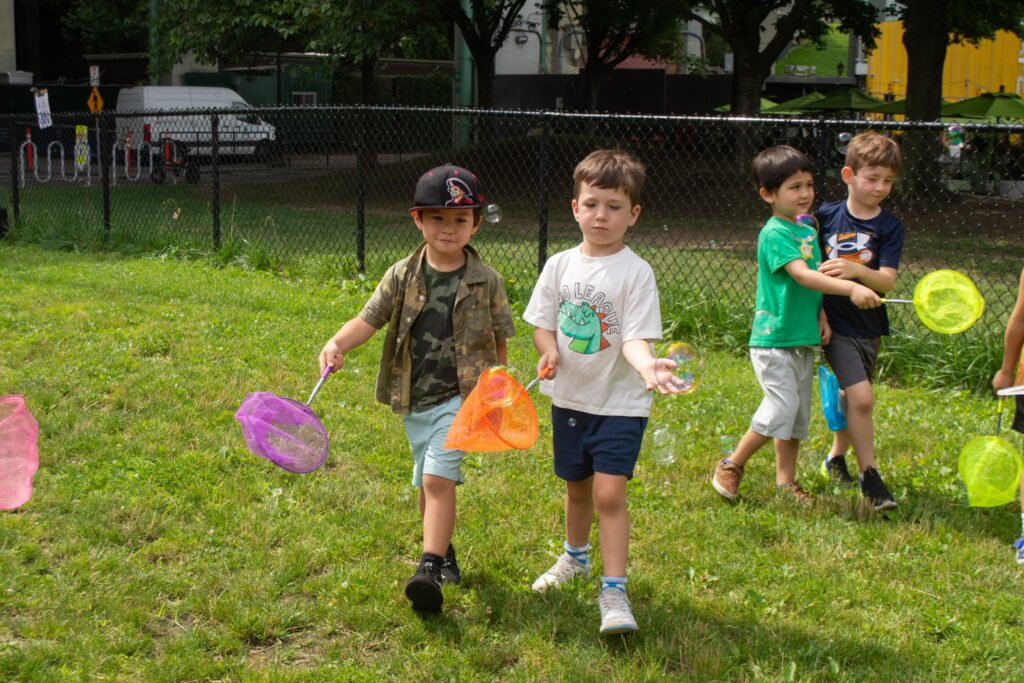
New York City’s summer camp scene blends world-class facilities, expert coaches, and big-city energy into unforgettable experiences for kids. If you’re searching for the best sports summer camp in New York City, the right choice pairs high-quality coaching with convenient locations, flexible schedules, and a joyful, inclusive culture. A sports summer camp is a structured program where children participate in multiple athletic, recreational, and enrichment activities during summer break, designed for skill development, social engagement, and fun. This guide explains the major camp types, what to compare, how to register, and how Kids in the Game supports whole-child growth—so you can confidently pick the best-fit sports camp NYC families trust.
Kids in the Game: NYC’s Premier Sports Summer Camp
For more than two decades, Kids in the Game has served NYC children ages 3 through 8th grade with rotating sports modules (basketball, soccer, flag football, and more) plus daily enrichment like arts, STEM, dance, and team-building. Our mission is simple: build emotional intelligence, confidence, and inclusivity through joyful activity—delivered by credentialed coaches and positive mentors in safe, supportive settings. As a recognized leader with honors such as Inc. Magazine Top Workplaces 2024, we emphasize culturally responsive programming, clear communication, and welcoming environments for all abilities and backgrounds (see program details on the Kids in the Game summer camps page).
Families choose Kids in the Game for age-based groups, low-ratio supervision, flexible full- and half-day options with extended hours, and mobile-friendly enrollment that makes planning easy. If you want comprehensive youth development with the convenience and peace of mind busy NYC parents need, our camps are built for you.
Types of Sports Summer Camps in New York City
NYC offers a spectrum of choices, from single-sport intensives to multi-sport day camps that mix coaching with play and enrichment.
Single-sport camps focus on one discipline—think basketball, tennis, soccer, swim, or fencing—with deeper skill blocks and targeted drills. Multi-sport camps rotate through several sports and add free play, fitness, and creative tracks.
Examples citywide include multi-sport and elite training options at a large Hudson River sports complex, age 3+ soccer programs, tennis intensives at a dedicated public tennis center, community swimming and multi-activity programs, youth fencing clubs, and broad offerings like ice skating, gymnastics, pedal-karts, and themed trips at a large Brooklyn sports complex (see this roundup of top sports camps for provider overviews; and explore this day camp features page for program specifics).
A multi-sport camp is a summer program exposing children to several athletic disciplines, enabling balanced physical development and teamwork in a fun, supportive setting.
Typical activities and amenities:
- Single-sport camps: focused instruction, skills clinics, scrimmages, position-specific coaching; may include video review for older groups.
- Multi-sport day camps: rotating sports, fitness games, creative arts/STEM blocks, free swim or water play (where available), weekly themes, and team challenges.
- Amenities across types: extended care, lunch or snack programs, field trips, family showcases, achievement certificates.
Key Features to Compare When Choosing a Camp
Prioritize fit and safety as much as sport offerings:
- Program focus: skill development vs. general recreation (or a blend).
- Age grouping and ratios: look for clear age bands and low staff-to-camper ratios.
- Daily schedule: instructional blocks, rotating activities, meals, rest, and trips.
- Safety and credentials: background checks, CPR/first-aid certification, and clear protocols are table stakes for quality programs (see this camp operations guide for common standards).
- Logistics: hours (half-day, full-day, extended care), location accessibility, transportation.
- Cost and support: transparent pricing, early-bird and sibling discounts, and financial aid where available (a public park conservancy’s sports camp page illustrates how public programs present details clearly).
Quick comparison snapshot (examples):
| Provider/type | Ages | Primary focus | Hours/extended care | Notable features | Cost notes |
|---|---|---|---|---|---|
| Kids in the Game (multi-sport) | 3–8th grade | Balanced skill-building + enrichment | Full-/half-day, extended hours | Credentialed coaches, inclusive culture, arts/STEM add-ons | Mid-range; multi-week/sibling savings often available |
| Elite facility-based program (multi-/elite) | Varies | Sport-specific training + facilities | Full-day; extended options vary | Professional-level venues, specialized tracks | Premium; facility-driven |
| Community-based program (multi-activity, swim) | Varies | Recreation + swim | Full-day; extended care at many sites | Community-based access, values-centered | Sliding scale at some locations |
| Tennis training center (tennis) | 5–18 | Tennis instruction and match play | Full-/half-day | USTA-affiliated facility, level-based groups | Specialized pricing |
| Large multi-activity sports complex | 4–15 | Sports + themed activities/trips | Full-day; extended care | Ice skating, gymnastics, go-karts, adventure add-ons | Mid- to premium; activity-driven |
| Public park-based sports camp (multi-sport) | 7–14 | Outdoor sports + play | Full-day; limited extended care | Park-based programming in Manhattan | Public program pricing |
Use this table as a model—verify specifics (ages, hours, exact amenities, and current pricing) directly with each provider.
How to Plan and Register for NYC Sports Summer Camps
Camp registration is the process of enrolling a child in a specific summer camp session, usually requiring parent/guardian information, emergency contacts, and medical forms prior to participation.
Step-by-step planning:
- Research and shortlist 3–5 camps by sport, location, and dates using trusted roundups of NYC sports camps.
- Confirm staff qualifications and safety certifications (background checks; CPR/first-aid) and ask about staff training in youth development.
- Verify schedules, transportation needs, lunch/snack plans, refund and transfer policies.
- Register early: public options may use lotteries, while private programs often offer early-bird and sibling discounts; NYC parents frequently report competitive timelines and limited spots in popular weeks.
- Complete required forms—health records, emergency contacts, allergy/medication plans, and waivers—before the first day to avoid delays.
Tips for Preparing Your Child for Summer Camp Success
- Visit or tour the site (in-person or virtual) to set expectations.
- Walk through daily routines—drop-off, activities, lunch, pickup—to reduce nerves.
- Pack recommended gear and label everything: water bottle, sunscreen, athletic shoes, change of clothes, medication kits as needed.
- Coach a growth mindset: trying new skills, making friends, asking for help.
- Share any allergies, medications, or accommodations with staff in advance.
Week-before checklist:
- Gear: sport attire, hat, sunscreen, refillable bottle, backpack, labels.
- Paperwork: forms, waivers, emergency contacts, medical action plans.
- Mindset: revisit camp schedule, goals, and buddy plan for lunch or pickup.
- Communication: confirm contacts for the site director and health lead.
Safety, Staff Credentials, and Quality Coaching
Quality camps build safety into every layer: vetting and background checks, CPR/first-aid certifications, clear incident protocols, and developmentally appropriate ratios are standard expectations outlined in reputable camp operations guidance. New York providers also follow city and state childcare and health requirements relevant to their program type.
At Kids in the Game, we hire trained, experienced coaches and emphasize ongoing mentorship and positive behavior models. Families can expect transparent communication, inclusive coaching strategies, and a supportive environment that champions both skill growth and well-being.
Quality indicators to ask about:
- Verified staff certifications and screenings
- Training in youth development, behavior support, and inclusivity
- Clear communication channels with families and daily incident reporting
Location Options and Accessibility Across NYC Boroughs
Kids in the Game operates convenient sites across the city—close to parks, schools, and major transit—so most families can find a commute-friendly option. Camps run at schools, community centers, parks, and professional athletic facilities, with choices in all five boroughs and nearby suburbs through various providers.
Kids in the Game examples:
- Upper West Side: neighborhood-based multi-sport day camp with age-based groupings (site details)
- Upper East Side (Carnegie Hill): accessible to families on the East Side with flexible schedules (site details)
- East Village: downtown option serving Lower Manhattan with strong arts/sports integration (site details)
Regional variety matters too: a large Brooklyn sports complex anchors Floyd Bennett Field with extensive facilities, while a Manhattan park conservancy runs outdoor multi-sport programs. Browse Kids in the Game’s summer camps overview to see citywide coverage and registration windows.
Costs, Discounts, and Financial Aid for Sports Camps
NYC sports camp pricing varies by facility quality, staff credentials, program depth, and add-ons like meals, trips, and extended care. Specialized programs commonly fall around $50–$100 per day in broader market analyses of sports camps, with city premium tiers often higher based on amenities.
Ways to save:
- Register early to secure early-bird pricing
- Use sibling and multi-week discounts
- Ask about financial aid or flexible payment plans
Financial aid for camp is funding or discount support provided to families demonstrating need, enabling children to participate regardless of income.
Supporting Your Child’s Growth Through Sports Summer Camps
Sports camps are more than childcare: they nurture confidence, teamwork, resilience, and emotional intelligence through structured play and positive coaching. At Kids in the Game, we blend athletics with arts, STEM, and movement clubs to support the whole child—so kids leave camp with new skills, friendships, and a lasting love of being active.
Sports summer camps help children:
- Build fundamental movement skills and sport IQ
- Practice leadership, empathy, and communication
- Develop healthy habits, independence, and goal-setting
- Discover new interests in a safe, inclusive community
Frequently asked questions
What common sports and activities do NYC sports summer camps offer?
NYC sports summer camps typically offer basketball, soccer, tennis, swim, gymnastics, and multi-activity programs, with options for specialty activities like fencing, dance, and creative arts.
How do camps accommodate children with varying skill levels?
Camps group children by age or ability and tailor instruction so beginners and experienced kids can build skills, confidence, and teamwork in a supportive setting.
What are typical camp hours and options for extended care?
Most camps run half-day or full-day sessions, with early drop-off and late pickup options available to suit family schedules.
How can families prepare paperwork and registrations ahead of time?
Parents should gather emergency contacts, medical forms, and signed waivers before registration opens to ensure a smooth enrollment process.
What safety measures and staff qualifications are standard at quality camps?
Quality camps require background checks, CPR and first-aid certifications, and ongoing training for their staff to ensure safe, supportive supervision of all campers.
How to Choose a Safe, Effective After‑School Sports Development Program
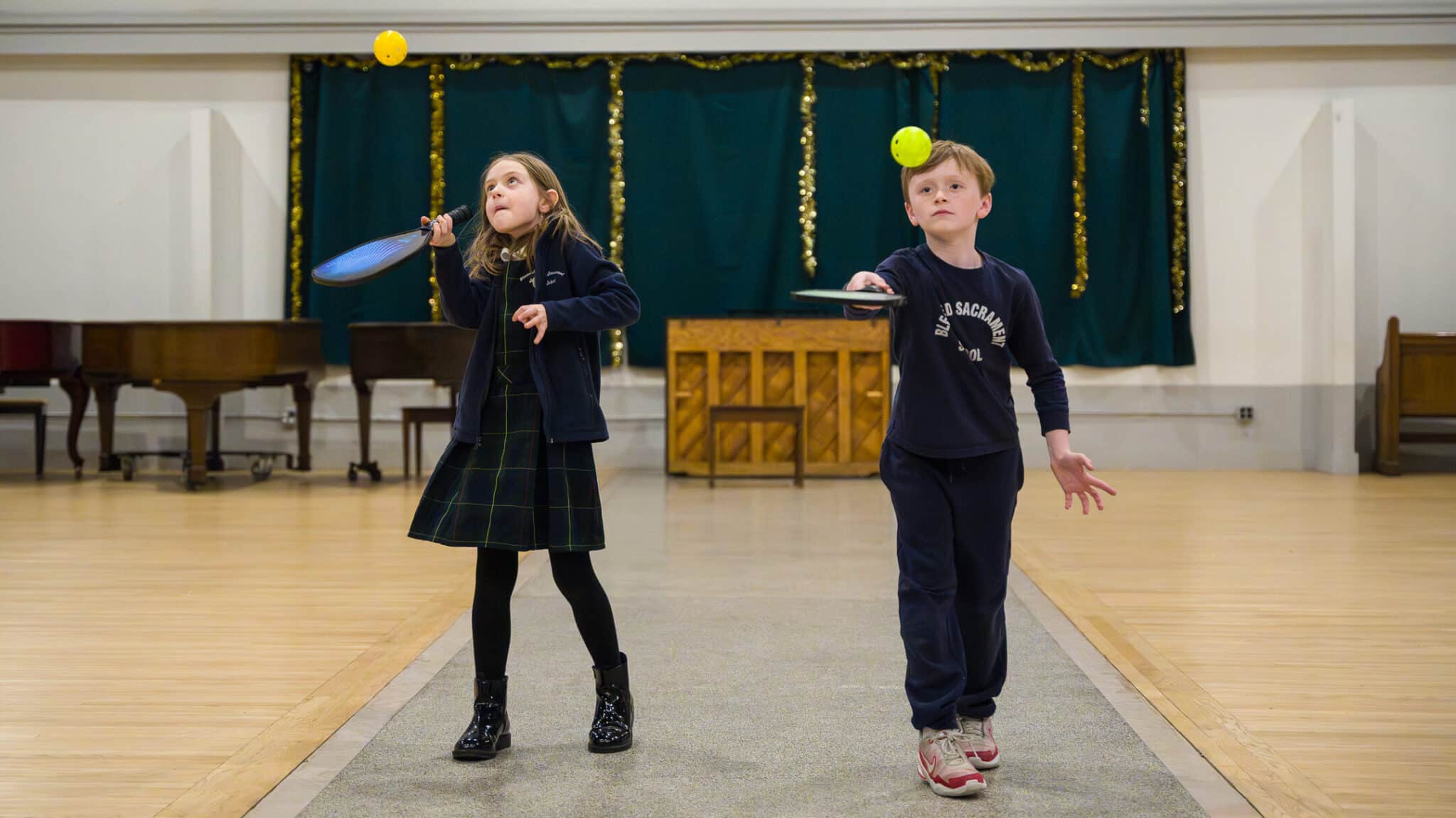
Choosing the “best” after-school sports-based youth development program comes down to fit: a safe setting, qualified coaching, clear social-emotional goals, inclusive access, and visible results. Below is a practical, step-by-step guide to help families and school leaders evaluate programs with confidence. As a trusted NYC provider, Kids in the Game designs evidence-based, culturally responsive programs grounded in positive mentorship and joyful play—use these criteria to assess us and any provider you’re considering.
Define Your Goals With Your Child
After-school programs operate outside regular school hours—typically between 2 PM and 6 PM—and offer supervised opportunities for learning, activity, and exploration, from sports to creative enrichment. These structured routines support working families (see the After-School Programs Guide). To find the right program, begin with a conversation with your child: What do they enjoy? Where do they want to grow? Clarifying priorities increases engagement and staying power.
Common goals to discuss:
- Skill-building: sport fundamentals, teamwork, game IQ
- Fitness and physical health: movement minutes, motor skills, stamina
- Social skills and confidence: communication, self-management, leadership
- Competitive vs. recreational emphasis: league play or play-for-fun
Aim for a focused set of outcomes—programs that chase too many goals at once often dilute impact. Research on student engagement encourages targeting realistic, well-resourced outcomes for sustained progress.
Sample alignment of goals with Kids in the Game modules:
| Your Goal | Best-Fit Module | What It Looks Like |
|---|---|---|
| Improve fitness and motor skills | Movement | High-energy circuits, agility games, active minutes tracking |
| Build sport fundamentals | Sports & Games | Skill progressions, small-sided games, feedback loops |
| Grow confidence and leadership | Creative Club | Team challenges, roles like captain or mentor-in-training |
| Spark curiosity and problem-solving | Discover Club | Sport-themed design challenges, data tracking, reflective journaling |
Tip: Write your top three priorities and share them during enrollment so staff can tailor supports.
Evaluate Safety and Logistics
Non-negotiables for any safe youth sports program:
- Licensing and insurance; transparent safety certifications
- Appropriate staff-to-youth ratios—lower ratios enable safer supervision and mentoring, a best practice cited across SBYD program examples
- Written procedures for injuries, illness, emergencies, and communicable diseases
- Secure facilities and controlled entry/exit; on-campus programming reduces transitions and improves safety oversight
- Transportation options, clear dismissal systems, and flexible pick-up windows
Staff-to-youth ratio definition: Staff-to-youth ratio is the number of coaches or program staff actively supervising each group of participants at any given time. Lower ratios—often around 1:10 or better, depending on age—support safer oversight, stronger relationships, and more personalized instruction during practices, transitions, and dismissal.
Red flags:
- Unclear supervision plans or inconsistent adult presence
- Vague or missing emergency and incident documentation
- No proof of insurance or expired certifications
- Limited visibility (e.g., closed doors, no observation allowed)
Insight: Programs offering two or more days per week of structured physical activity show stronger positive outcomes in activity levels and skill development, according to the Active Schools Guiding Framework.
Review Staff Training and Coaching Philosophy
Qualified coaches and ongoing professional development are the engine of positive youth development coaching. Ask providers to detail:
- Training in trauma-informed practice, empathy-based coaching, and youth-development-centered methodologies. National resources highlight modules like Coaching for Youth Development and Coaching with Empathy and emphasize ongoing learning via video libraries and coach portals.
- Background checks, CPR/first aid certification, and concussion recognition
- Clear behavior expectations and restorative responses rather than punitive-only discipline
Positive Youth Development (PYD) is an evidence-based approach where coaches use sport intentionally to build responsibility, leadership, and life skills that transfer beyond play. Look for programs that make these goals explicit in session plans and coaching language.
Compare staff training benchmarks:
| Training Benchmark | What to Ask For | Why It Matters |
| Youth development & empathy-based coaching | Syllabi, frequency, provider names, coaching rubrics | Builds trust, motivation, and skills that transfer |
| Trauma-informed practice | Scenario training, de-escalation protocols | Supports safety, reduces harm, improves belonging |
| CPR/First aid & concussion protocols | Current certifications, drills, incident logs | Enables rapid, appropriate response to injuries |
| Ongoing PD & observations | Coaching clinics, mentorship, feedback cycles | Ensures continuous improvement and consistency |
Assess Program Structure and Youth Development Intentionality
High-quality programs do more than keep kids busy—they design for growth. Look for frameworks like:
- TPSR (Teaching Personal and Social Responsibility): A session design that fosters effort, self-coaching, leadership, and transfer of skills beyond sport, typically including relationship time, an awareness talk, and the activity itself, as summarized in the Positive Youth Development factsheet.
- Eccles & Gootman’s features of positive settings: Safety, caring adult relationships, and a sense of belonging are core standards for effective youth programs.
Intentionality shows up in schedules and routines. You should see:
- Warm welcomes and check-ins to build relationships
- Brief “awareness talks” on topics like coping, communication, or goal setting
- Practice time with roles (e.g., captain, equipment lead) to exercise leadership
- Reflection and recognition rituals to reinforce growth
A typical intentional session:
- Arrival & relationship minutes
- Awareness talk (e.g., “how we manage frustration”)
- Skill progression and small-sided games
- Leadership roles and peer feedback
- Cool-down, reflection, and family-facing recap
Programs committed to quality use improvement tools such as Quick CASP and Every Hour Counts frameworks and align with national quality resources to drive continuous improvement. Integrating social, emotional, and academic development is supported by a strong evidence base, showing better engagement and longer-term outcomes when SEL is woven into daily practice.
Consider Inclusivity and Accessibility
Inclusivity means every child feels welcomed and valued; accessibility ensures programs can be tailored to diverse physical, cultural, linguistic, and socioeconomic needs. Ask programs to describe how they accommodate youth with disabilities and diverse learning profiles.
Effective practices that reduce barriers:
- Equitable or subsidized fees and flexible payment plans
- Free or reduced-cost uniforms and transportation support
- Bilingual staff or translated family communications
- Recreational and competitive tracks to match varied abilities and interests
A positive, inclusive program culture—anchored in belonging and shared values—drives long-term participation and confidence. Studies on inclusive sports find improvements in engagement and psychosocial outcomes for children across ability levels. For Kids in the Game families, our pledge outlines our commitment to equity, safety, and youth voice.
Pilot the Program and Measure Outcomes
Try before you commit and make sure results are tracked—not just attendance.
Pilot checklist:
- Attend a trial session or request observer access
- Review what’s measured: attendance, daily active minutes, skill progression, and documented growth in social-emotional or leadership skills via rubrics or observation notes
- Ask how family and community feedback informs program changes
- Request references or testimonials from current families
Outcome tools to look for include program opportunity indices, Quick CASP, and Every Hour Counts quality frameworks. Programs that streamline sign-up and proactively support families with reminders, flexible forms, and follow-up calls see better access and retention. To explore high-quality options in the NYC area, our guide to the best after-school programs for kids in NYC can help you compare models.
Frequently Asked Questions
How can I ensure the program prioritizes injury prevention?
Look for age-appropriate warm-ups, cool-downs, progressions, routine equipment checks, and staff trained to recognize early injury signs and respond quickly.
What safety equipment and gear should be required?
Ensure properly fitted protective gear (helmets, pads, footwear) is mandated for the sport, with regular inspections and replacement schedules.
Are coaches trained to handle injuries and emergency protocols?
Coaches should hold current first aid/CPR certifications, follow written emergency and concussion protocols, and document and communicate any incidents immediately.
What safety protocols and supervision standards should the program follow?
Expect written safety guidelines, consistent supervision with low ratios, secure facilities, and structured routines for arrival, transitions, and dismissal.
How do I verify the program’s effectiveness and credentials?
Request staff qualifications, accreditation or alignment with recognized quality frameworks, outcome reports, and references from current families.
Kids in the Game integrates these standards across our after-school sports-based youth development programs—combining safe structures, positive coaching, inclusive design, and measurable growth. Learn more about our approach and impact in Providing a Better Way to Play and our About page.
7 Key Benefits of Summer Sports Camp for Kids
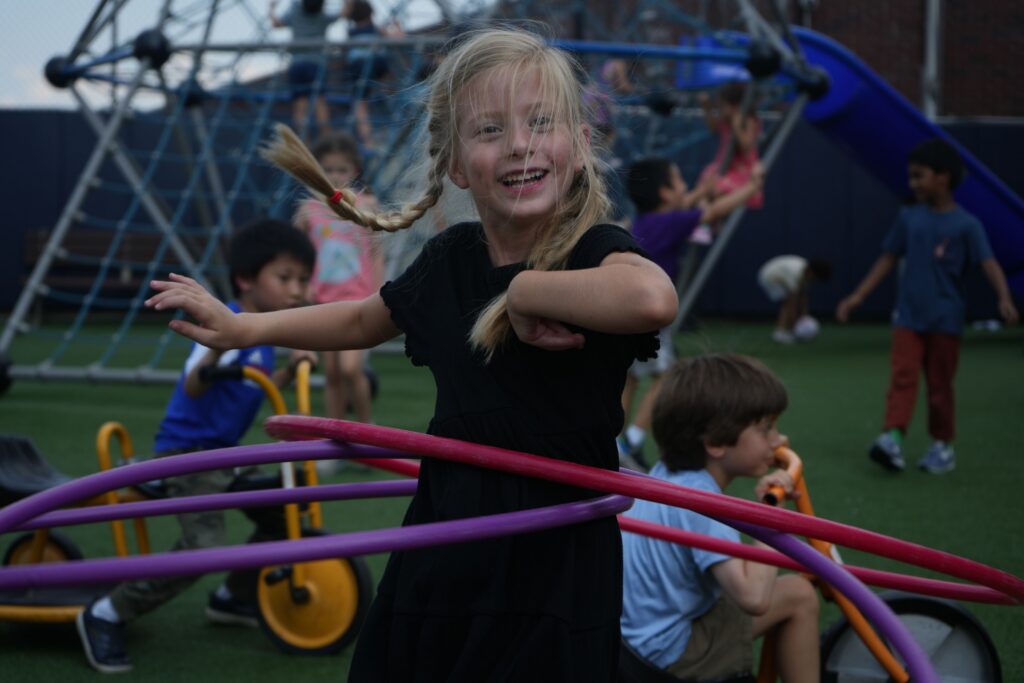
If you’re a busy NYC parent or school leader weighing summer plans, you might be asking: Is a sports summer camp right for my child? For most families, the answer is yes—especially if you want a safe, growth-focused environment where kids stay active, build skills, make friends, and gain independence. The best summer sports camps in New York City blend athletics with social-emotional learning, arts, and academics to support whole-child development. In short, camp turns the long break into a season of progress and joy.
At a glance, here are the seven key benefits:
- Faster skill development
- Improved fitness and injury awareness
- Social and emotional growth
- Expert coaching and feedback
- Aspiration and recruitment pathways
- Variety and specialization
- Reliable, supervised childcare.
Kids in the Game Summer Sports Camp
Kids in the Game runs NYC, Westchester, and New Jersey day camps designed for holistic growth. Children rotate through monthly sports, swimming, field trips, explore STEAM and arts, and train with experienced coaches who keep sessions upbeat and goal-oriented. Our model centers on confidence, well-being, and joyful participation, so kids feel supported whether they’re trying a new sport or sharpening advanced skills.
What sets us apart:
- Flexible scheduling that fits parent summer realities, with multi-week and extended-day options.
- Transparent safety culture and clear standards. An accredited camp meets established safety and curriculum benchmarks recognized by third-party organizations; we openly share our protocols and staff training so families know what to expect.
- Coach expertise and inclusive programming that reflect New York’s diversity and help every child feel seen and challenged.
Explore our programs and locations: Kids in the Game Summer Camps.
Faster Skill Development Through Focused Training
Camps are engineered for sports skill improvement. Compared with unstructured play, kids receive high-repetition technical drills, small-group stations, and targeted feedback that accelerates athletic development. As one youth training provider notes, combining focused drills with lots of reps and position-specific work helps athletes progress faster than they do in sporadic practices or pickup play (see the benefit framework described by Baxter Sports: https://baxtersports.com/summer-camp-benefits/).
Age- and skill-level groupings ensure each child practices at the right challenge point. That individualized progression—plus consistent daily reps—adds up quickly.
Typical Day at Camp vs. School Practice
| Aspect | Typical Day at Camp | Typical School Practice |
|---|---|---|
| Repetitions per skill | High, concentrated blocks | Moderate, split by admin/logistics |
| Coaching attention | Small groups, frequent corrections | Larger groups, limited 1:1 time |
| Feedback frequency | Continuous, drill-to-drill | Periodic, end-of-drill or scrimmage |
| Peer grouping | By age/skill for faster growth | Mixed levels due to team constraints |
| Cross-training | Built-in agility/strength/vision | Limited by time and space |
| Daily duration | Multi-hour training windows | Shorter after-school sessions |
Improved Physical Fitness and Injury Awareness
Injury-aware conditioning blends warm-ups, strength work, and supervised movement training to boost performance while reducing risk. Many sports camps purposely include strength, conditioning, and movement-preparation sessions that improve athleticism and teach safer training habits—lessons athletes carry into the school year (see the performance approach outlined by Academy Camps: https://academycamps.com/athlete-experience/performance).
Kids learn body awareness, proper landing and cutting mechanics, and age-appropriate strength exercises. These foundations support healthier play, better posture, and a positive relationship with lifelong physical activity.
Social and Emotional Growth in Team Settings
Group drills, team play, and shared goals naturally build friendships, communication, and confidence. Kids practice social-emotional learning—the process of developing self-awareness, empathy, teamwork, and emotional regulation through real-life interactions—in an upbeat, supportive environment. Youth camps consistently report gains in connection and resilience as children collaborate and attempt new roles (see examples from Got Game Sports: https://gotgamecamp.com/summer-camp-for-kids-7-benefits-of-enrolling-your-child-to-got-game-sports/).
Social skills kids build at camp:
- Teamwork and communication
- Leadership and initiative
- Conflict resolution and compromise
- Empathy and inclusion
Expert Coaching and Personalized Feedback
High-quality camps are led by skilled, caring coaches who deliver structured instruction, measurable feedback, and sometimes post-camp reports that guide future training. Performance academies like IMG emphasize coach-led sessions, testing, and analysis to direct ongoing development (see IMG Academy’s approach: https://www.imgacademy.com/sport-camps/performance-camp).
Lower instructor-to-camper ratios also increase individualized attention and safety. Personalized athletic feedback—clear, written or verbal notes on strengths, growth areas, and next steps—helps kids (and parents) understand exactly how to improve.
Variety and Specialization in Sports Activities
Camps offer activity variety for kids who like to explore and sports specialization for those who want to go deeper. From broad multi-sport days to single-sport intensives and niche tracks (e.g., cheer, sports broadcasting, climbing), families can match experiences to each child’s personality and aims. See examples of summer camp program types curated by KidsOutAndAbout: https://houston.kidsoutandabout.com/content/sports-summer-camps-houston.
Common program types:
- Multi-sport exploration
- Single-sport performance weeks
- Specialty fusions (arts + athletics, cheer, dance)
- Leadership-in-training tracks for older campers
Routine, Supervised Childcare for Busy Families
For working families, day and residential programs provide structure, vetted staff, and consistent adult supervision that support child development and peace of mind. Coach-to-camper ratio—the number of staff supervising a group—directly affects attention, safety, and the ability to individualize activities. Local guides emphasize practical details like schedules, safety checks, and staff qualifications when choosing a camp (see this regional camp overview: https://www.jcsportshouston.com/post/7-best-kids-camps-this-summer-your-2026-guide-to-humble-kingwood).
Kids in the Game complements NYC schedules with extended-day options, clear safety policies, and background-checked coaches—helping families balance work and summer enrichment.
Frequently Asked Questions
Does summer sports camp help build independence in children?
Yes. Both day and overnight camps encourage kids to make decisions and manage routines in a supportive group setting, building independence.
How do sports camps boost confidence and resilience?
Camps create safe chances to try new activities and tackle challenges, so kids learn to persevere and bounce back from setbacks.
What social skills do kids gain at sports camps?
Kids practice teamwork, communication, and leadership through group games and roles, building friendships and empathy.
Are summer sports camps better for skill-building than regular practice?
Often, yes. Focused, high-repetition training and expert coaching typically accelerate skill development beyond regular practices alone.
What are the long-term benefits of attending a sports camp?
Children build lifelong habits of physical activity, resilience, and social confidence, with impacts that last well beyond summer.
Kids in the Game Lands On the Inc. 5000 at No. 1,866!
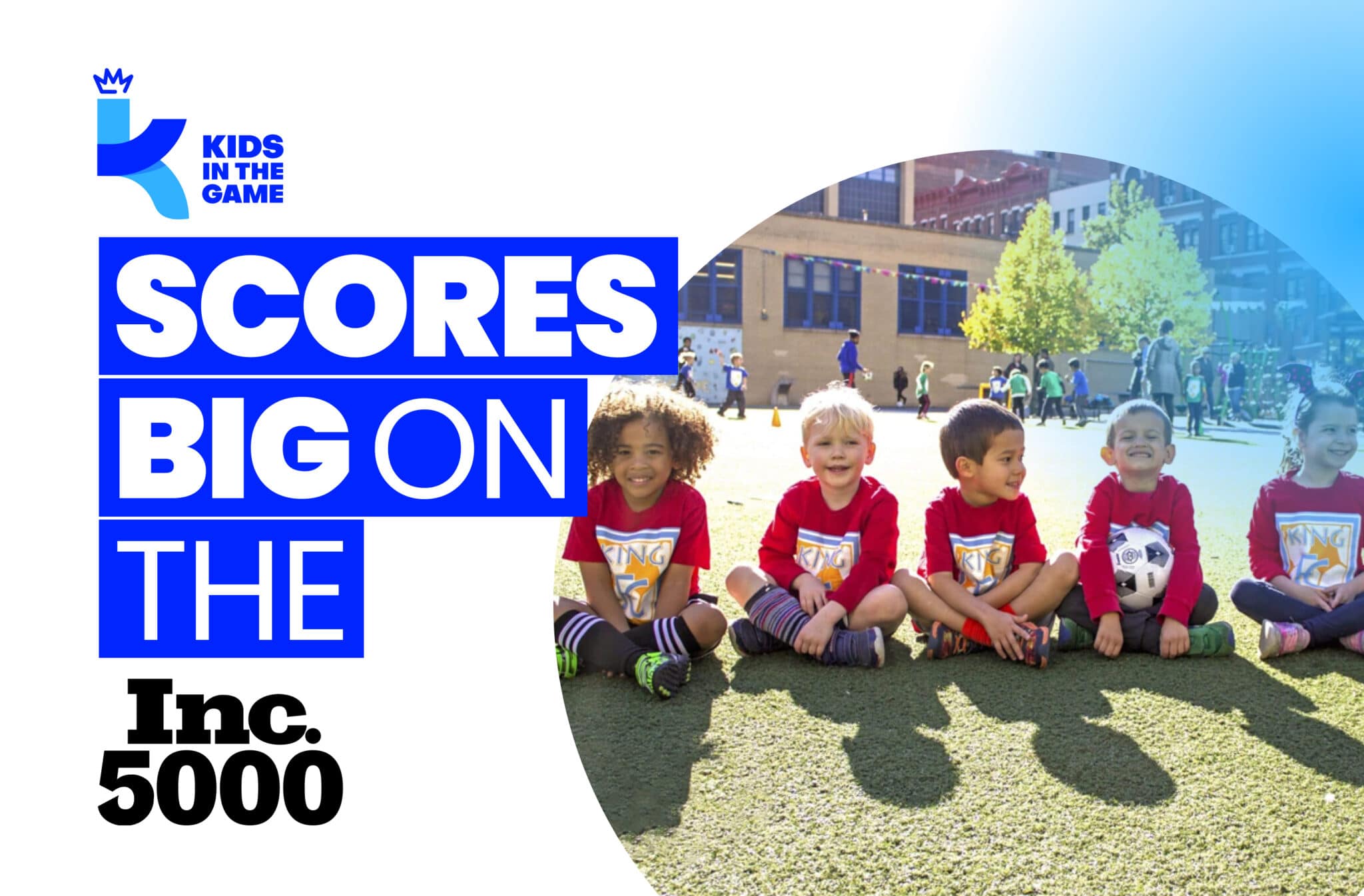
Kids in the Game is excited to announce its recognition on the prestigious Inc. 5000 list, ranking at No. 1,866. Published by Inc. magazine, the Inc. 5000 list highlights the fastest-growing private companies in the United States, showcasing those that have achieved exceptional growth over the past three years. This is the 4th time that Kids in the Game has been featured.
The list is considered America’s entrepreneurial benchmark, and companies are ranked based on three years of annual revenue growth. To qualify, businesses must demonstrate not only strong financial performance but also a commitment to innovation, resilience, and impactful leadership.
Check out more information on the Inc. magazine website! https://www.inc.com/profile/kids-in-the-game
A Proud Milestone for Kids in the Game
From providing dynamic after-school programs to hosting engaging summer camps, Kids in the Game remains committed to helping children thrive physically, mentally, and socially. This recognition reinforces the company’s resolve to push boundaries, reach new heights, and positively impact the communities we serve.
For more information about Kids in the Game’s programs and to learn how we can bring our services to your school, visit our website.
Are you interested in bringing Kids in the Game to your school? Visit Kids in the Game to learn more about our programs and how we can support your students’ growth!
How Cultural Exposure Enriches Children’s Development
Exposing children to diverse cultures and traditions is more important than ever. Cultural exposure provides a wealth of benefits that significantly enhance children’s cognitive development, empathy, and social skills.
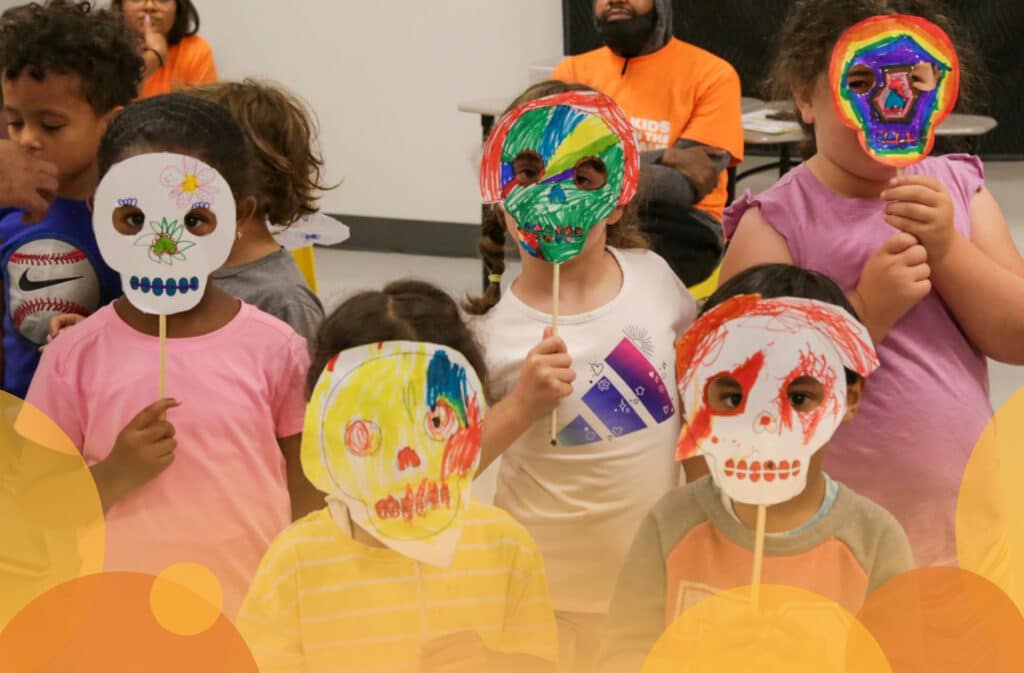
Promotes Inclusion and Belonging
One of the foremost benefits of cultural exposure is the promotion of inclusion and a sense of belonging. When children are introduced to different cultures, they learn to appreciate and respect the diversity around them. This exposure helps them understand that everyone, regardless of their background or identity, is valuable and deserving of respect. At Kids in the Game, we ensure that our programs are designed to create a welcoming and inclusive environment where every child feels valued. By participating in activities that celebrate various cultural traditions, children develop a sense of belonging and acceptance, which is crucial for their emotional and social well-being.
Broadens Perspectives and Knowledge
Exposure to diverse cultures broadens children’s horizons and enriches their understanding of the world. Learning about different traditions, languages, and ways of life encourages curiosity and critical thinking. It opens up new perspectives and helps children appreciate the vastness of human experiences. Our programs include activities that introduce children to different cultural practices, fostering an environment where curiosity is encouraged, and knowledge is expanded. Whether through cultural storytelling, music, dance, or art, children at Kids in the Game camps and after-school programs are given the opportunity to explore and appreciate the richness of global cultures.
Fosters Empathy and Respect
Cultural exposure is instrumental in cultivating empathy and respect. When children learn about the experiences, beliefs, and customs of others, they begin to develop a deeper sense of empathy. They learn to see the world from different perspectives and understand the importance of respecting diverse viewpoints. This is a core value at Kids in the Game, where we strive to create programs that not only educate but also foster a compassionate community.
Enhances Language Development
Research has shown that exposure to diverse cultures can significantly enhance cognitive development in children. When children are exposed to different languages, traditions, and ways of thinking, they develop better problem-solving skills and cognitive flexibility. We incorporate elements from various cultures into our curriculum, providing children with a rich, stimulating environment that challenges them to think critically and creatively.
Promotes Social Skills and Cooperation
Exposure to different languages in culturally diverse environments supports language development and promotes multilingualism. Children who learn words and phrases from various languages develop better communication skills and a deeper understanding of linguistic diversity.
Supports Identity Development
Cultural exposure plays a crucial role in helping children develop a positive sense of identity. When children see their culture represented and respected, they develop pride in their heritage and a positive sense of self.
Kids in the Game Commitment to Inclusion and Equality
At Kids in the Game, we believe that every child deserves the opportunity to thrive in an inclusive and supportive environment. Our summer camps and after-school programs are designed to connect children from diverse backgrounds, promoting inclusion and equality. We are dedicated to promoting fair treatment within our organization. By fostering an environment where cultural diversity is celebrated, we help children develop the skills and values necessary to navigate an increasingly interconnected world.
Head to https://www.kidsinthegame.com/ to learn more about our mission!
Safety First: Preparing Your Child for Summer Camp Adventures
As summer approaches, many parents look forward to enrolling their children in day camps to keep them active, engaged, and socializing. While providing a structured environment for fun and learning, ensuring your child is prepared and safe is crucial. Here are some essential tips to get your child ready for a fantastic and secure summer camp experience.
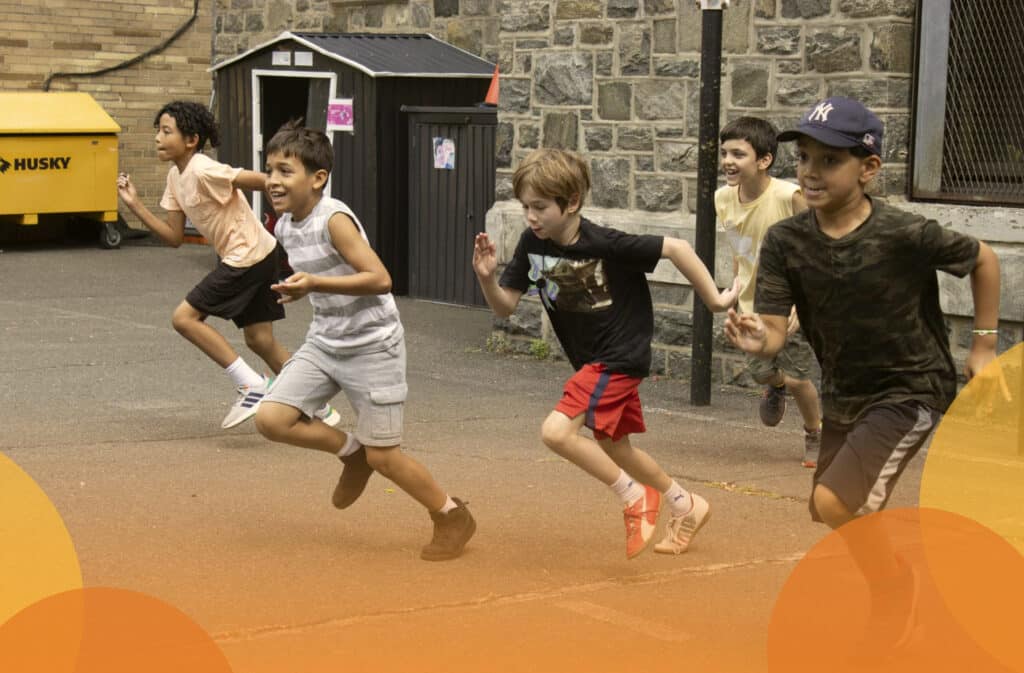
Understand the Camp’s Policies and Procedures
Before camp begins, familiarize yourself with the camp’s policies and procedures. Most camps provide a handbook or an orientation session. Key areas to focus on include:
- Drop-off and Pick-up Procedures: Know the exact times and locations for dropping off and picking up your child.
- Emergency Contact Information: Ensure the camp has your contact information for emergencies.
- Health and Safety Policies: Understand the camp’s protocols for handling injuries, allergies, and illnesses.
Pack Appropriately for the Day
Packing the right items can make a significant difference in your child’s camp experience. Here’s a checklist to help you prepare:
- Clothing: Dress your child in comfortable, weather-appropriate clothing. Include a hat for sun protection and a change of clothes in case of spills or accidents.
- Footwear: Ensure they wear sturdy, closed-toe shoes suitable for running and playing.
- Backpack Essentials: Pack a reusable water bottle, sunscreen, insect repellent, and a healthy lunch with snacks.
- Swim Gear: If the daily activity includes swimming, pack a swimsuit, towel, and goggles.
Teach Basic Safety Skills
Empower your child by teaching them basic safety skills relevant to day camp activities:
- Stranger Danger: Remind your child never to leave with anyone who is not a known and trusted adult staff member.
- Buddy System: Encourage your child to use the buddy system, staying with a friend or group during activities.
- Personal Information: Teach your child to memorize important information like your phone number and their home address.
Health Precautions and Medical Needs
Health and safety are paramount, so we must be aware of your child’s medical needs:
- Medications: If your child requires medication, ensure the staff is informed and knows the proper administration procedures.
- Allergies: Communicate any allergies, and confirm that the camp has a plan in place to avoid triggers.
- Sunscreen Application: Teach your child how to apply sunscreen properly and remind them to reapply it throughout the day.
Hydration and Nutrition
Keeping your child hydrated and well-nourished is essential for their well-being and energy levels:
- Hydration: Pack a large water bottle and encourage your child to drink water regularly throughout the day.
- Healthy Snacks: Provide nutritious snacks that will keep your child energized without causing sugar crashes.
Review Camp Rules with Your Child
Sit down with your child and review the camp’s rules and expectations. Discuss the importance of following rules to ensure everyone’s safety and enjoyment. Highlight key areas such as:
- Behavior Expectations: Explain the importance of respecting camp staff and fellow campers.
- Activity Safety: Emphasize the importance of listening to instructors during activities to avoid injuries.
Encourage Open Communication
Ensure your child knows they can talk to camp counselors or staff if they have any concerns or feel uncomfortable. Establishing this line of communication helps them feel secure and supported.
Stay Informed and Involved
Stay engaged with the camp by attending parent meetings, reading newsletters, and following the camp’s social media updates. This involvement helps you stay informed about your child’s experience and any important updates.
The Kids in the Game staff is always here to help you and your child! Visit our website https://www.kidsinthegame.com/ for more information about the different camps around the city, or send us an e-mail and we’ll get in touch with you. Let’s make it a summer to remember!
Kids in the Game brings wellness initiative to 11 Bronx churches, mosques
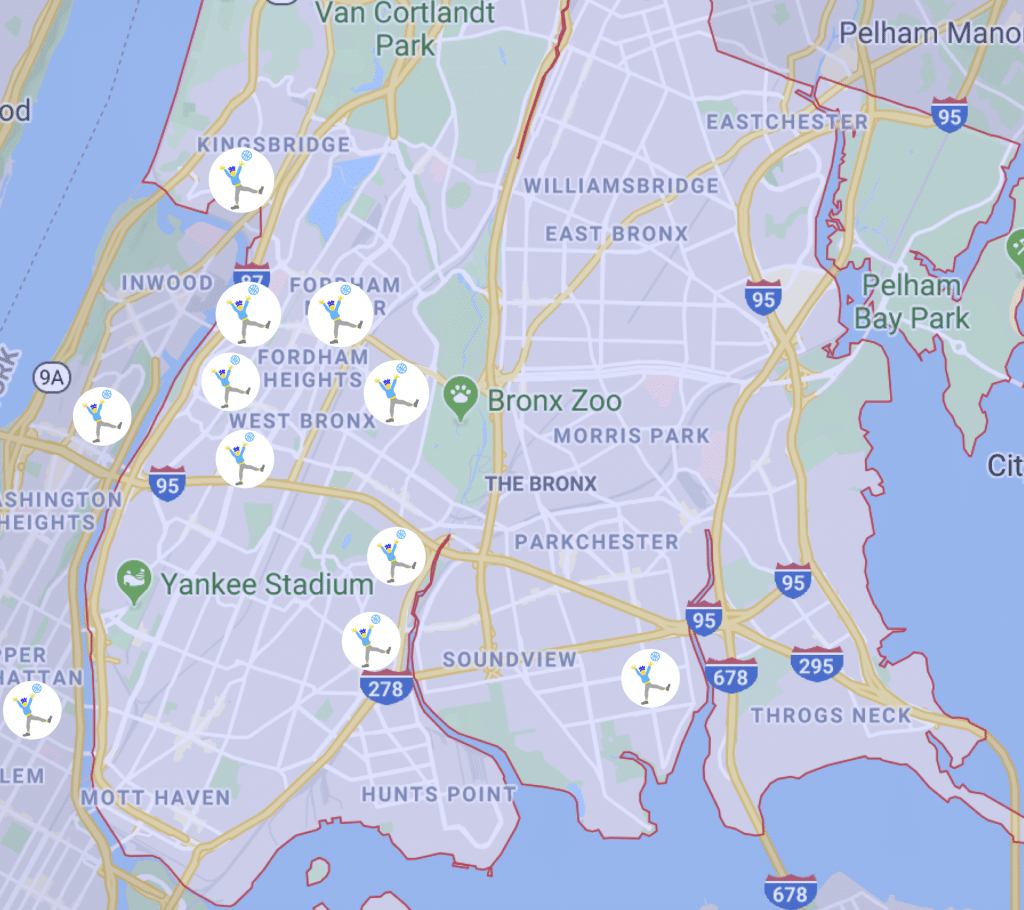
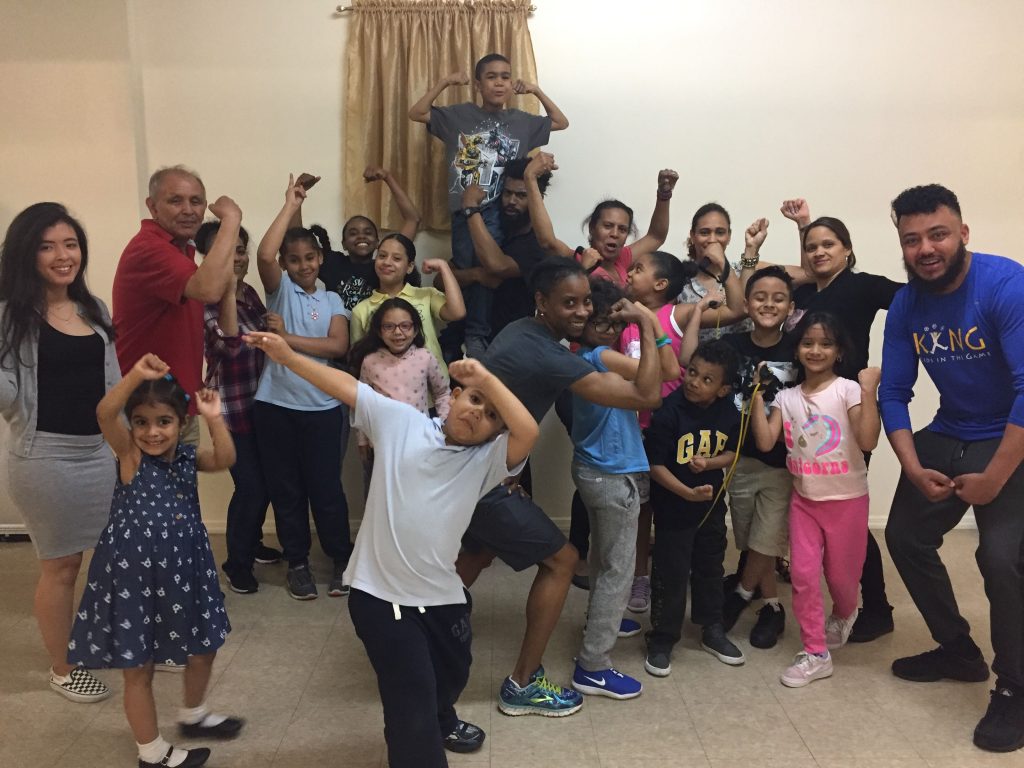
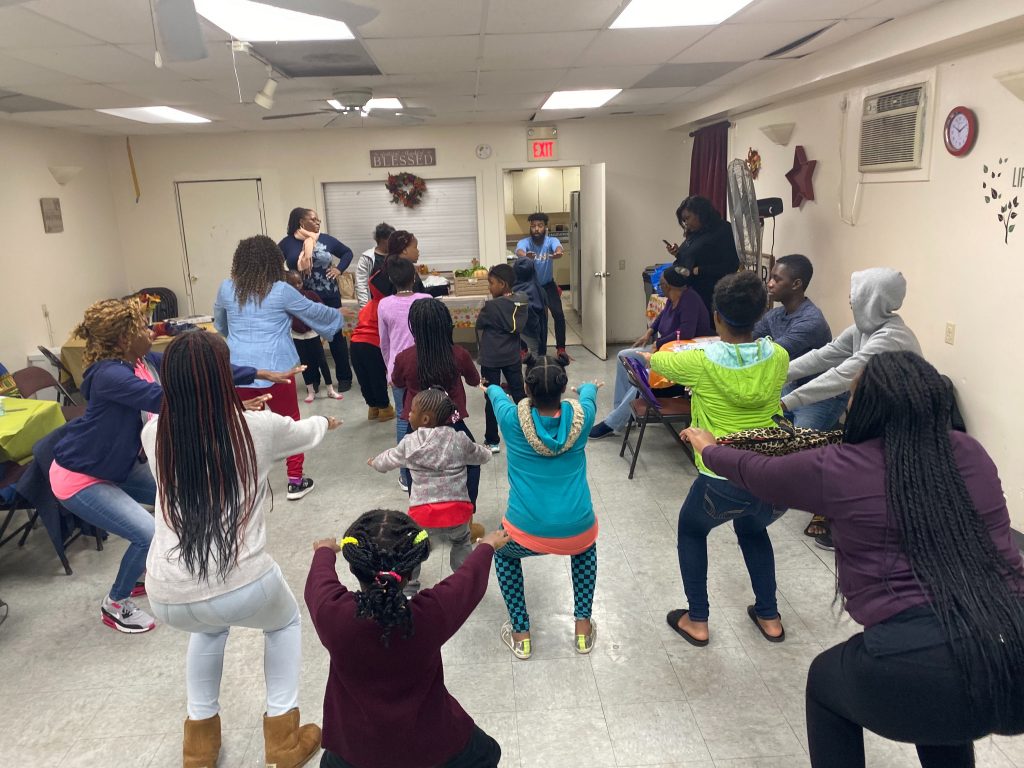
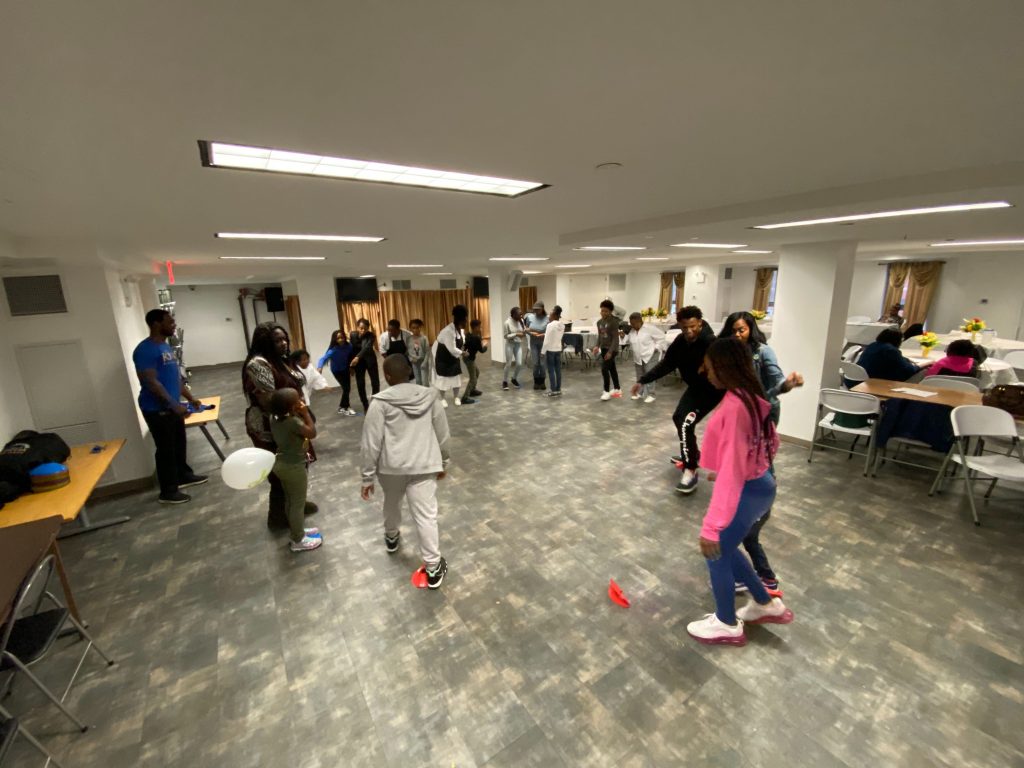
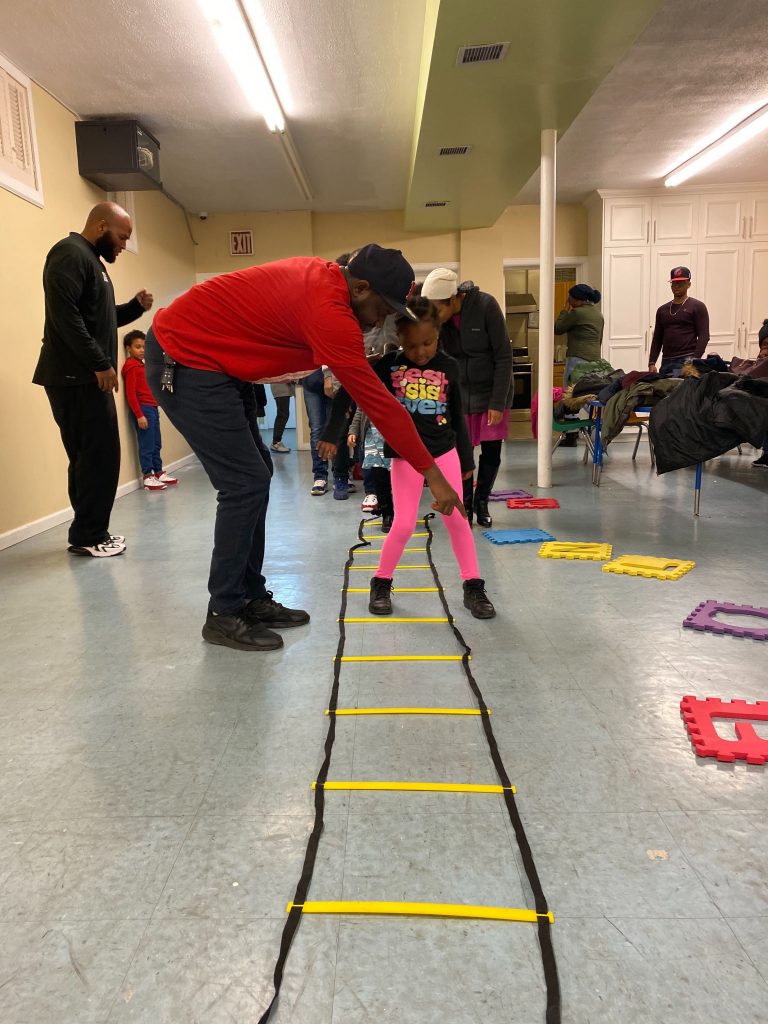
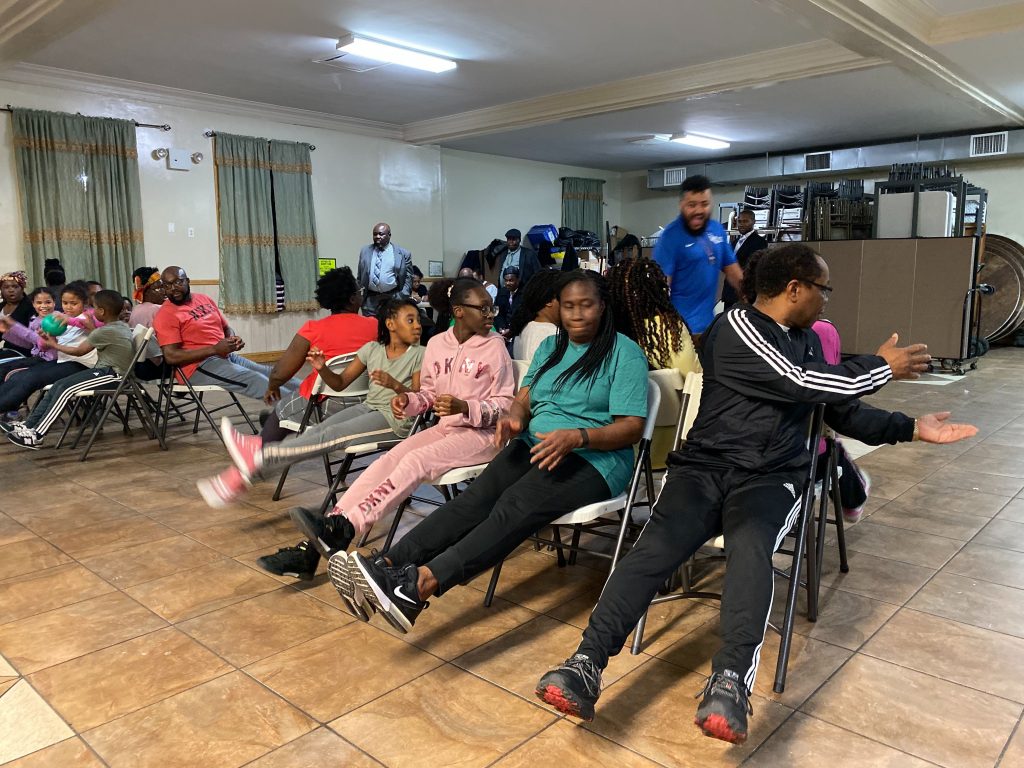
For eight weeks, Kids in the Game partners with Bronx Health REACH to bring fitness and wellness activities to 11 places of worship in the Bronx and Upper Manhattan. Our coaches are tasked with teaching physical education in ways that can be sustained at home, as well as in each respective community.
Kids in the Game provided over 200 youth and parents across the Bronx with nutrition and physical fitness education. In all of our sites, there is an increased sense of community and newfound ownership over their physical and mental wellbeing. We stretched, we laughed, we did multiple squats, but most importantly we completed the program with enthusiasm and a commitment to wellness that will continue to develop in the future!
Our Sites
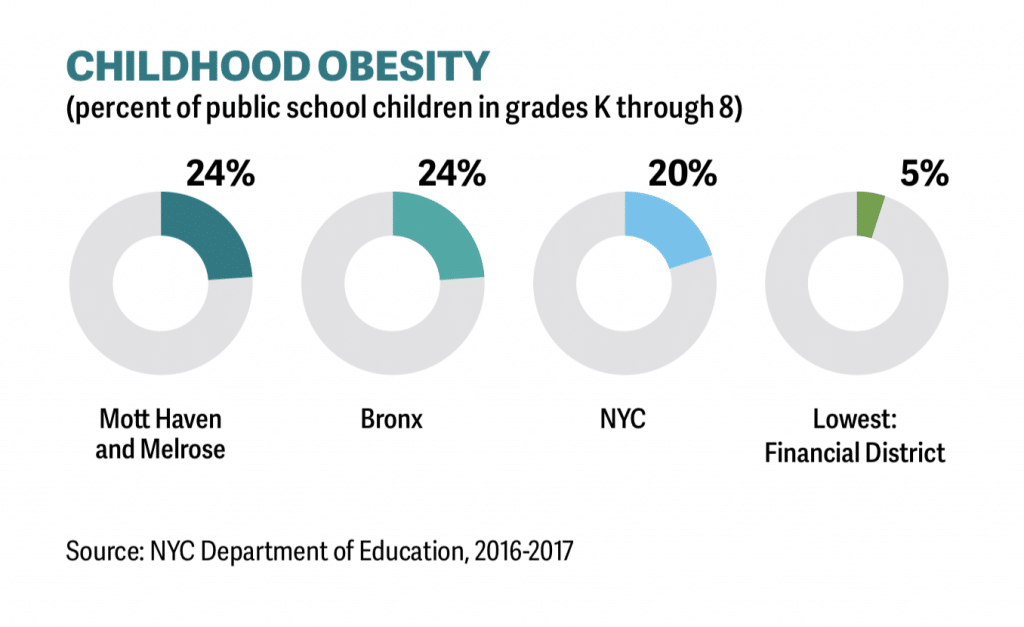
Why this work is particularly important in the Bronx:
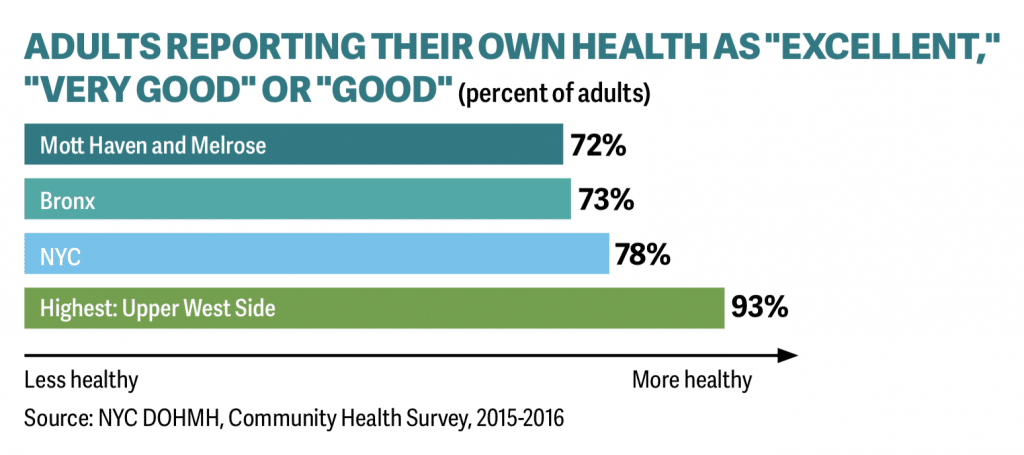
The Bronx has a higher rate of obesity, diabetes, and hypertension than NYC as a whole.
At 30%, the Bronx has a higher percentage of adults who have not been active in the past 30 days, compared to 10% in FiDi, Greenwich Village, and Soho with the highest.
The Bronx has a higher rate of adults who report to have one or more 12-ounce sugary drinks per day.
The Bronx has almost 1,000 more avoidable hospitalizations among adults. “Avoidable hospitalizations” are those that could be prevented if adults had access to quality primary care.*
NYC Community Health Profiles
Brandon Evans, our Program Coordinator, works closely with the Bronx Health REACH team, Emily Oppenheimer and Yolanda Benitez, on securing coaches for the eleven programming sites. Once a week for an hour and a half, Kids in the Game comes together with NYU and the Institute for Family Health to host the program to fight these statistics.
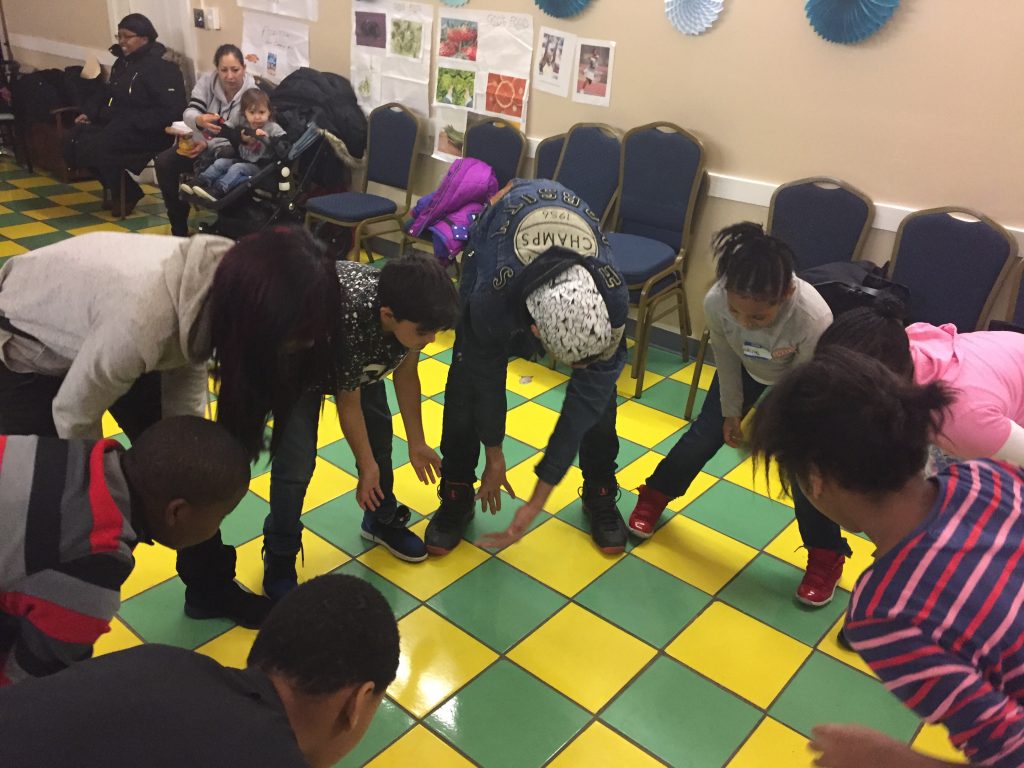
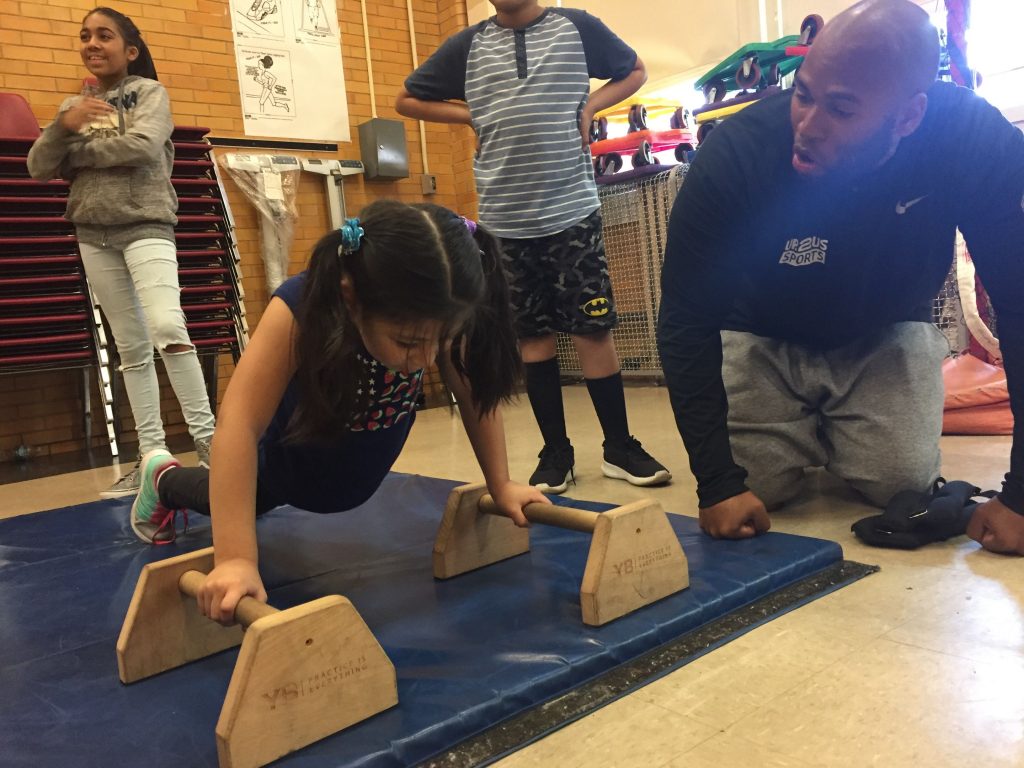
Each session is divided into a nutrition lesson provided by NYU and the Institute for Family Health, followed by a physical activity put on by our Kids in the Game coaches. The coaches lead kids and their parents in fitness activities that are both space appropriate and flexible for all physical ability levels. The context of the fitness activity varies from each site and coach, but each site shares the same unique goal of bringing physical fitness to underserved communities in a way that will be sustained at home, beyond those eight weeks.
“Kids in the Game coaches engage underserved communities of diverse backgrounds with one common goal: to increase physical activity and bridge the wellness gap. We had families who had never played together engage in fun activities and commit to continuing the goal of implementing physical activity into their everyday lives. For 11 places of worship, Kids in the Game provided the tools and resources for increased wellness and a change in the physical and mental well being of a multitude of families,”
Brandon Evans.
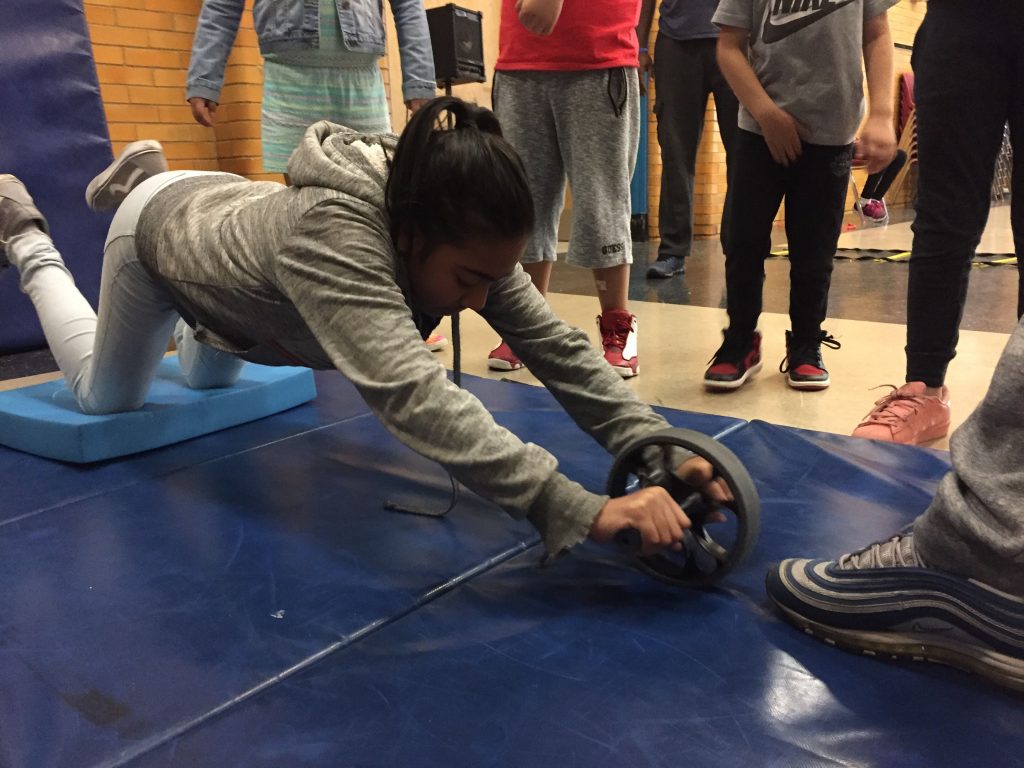
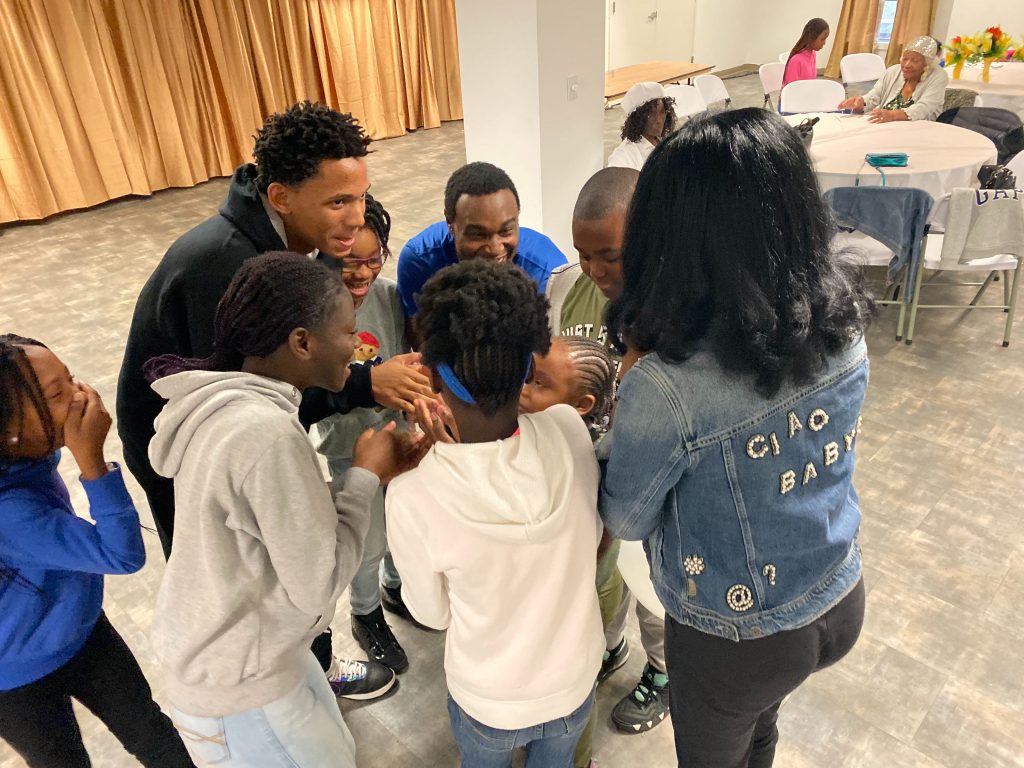
One of the largest wins we had this year was growth in parent engagement from week one to week eight. When we started, the adults would step to the side while the kids engaged and participated in the activities. After challenging our coaches to find creative ways to include the adults, we saw tremendous growth in the parent participation. Promoting positive and impactful play between the parents and kids was one of our desired outcomes, and it has made a huge impact on the communities we serve.
The Bronx Health REACH was formed in 1999 to eliminate racial and ethnic disparities in health outcomes in diabetes and heart disease in African American and Latino communities in the southwest Bronx. Since then, the Bronx Health REACH coalition, led by the Institute for Family Health, has grown to include over 70 community-based organizations, health care providers, faith-based institutions, housing, and social service agencies.
Bronx Health REACH
KING continues growth and acquires Fit 4 Life NYC
Kids the Game often uses the tagline #GrowingUpKing when talking about how we want to positively affect the way kids are growing up in New York City, but the tagline also applies to how we want to grow as an organization. We are dedicated to challenging ourselves, embracing diverse backgrounds and experiences, and always striving for personal and professional growth.
As of today, Kids in the Game (KING) is excited to announce that we have recently acquired and will join forces with Fit 4 Life NYC, a youth organization focused on sports, creative movement, and physical education programs for charter schools in underserved communities. Together, the organizations serve over 20,000 NYC youth annually across 50+ schools.
Along with growing our network of schools, Fit 4 Life NYC will add over 40 talented and dedicated coaches to our current staff. The combined organization will now employ over 125 youth development instructors working in NYC schools on a daily basis across Brooklyn, Manhattan, Queens, and the Bronx. Among those 40+ coaches, Maurelhena Walles will be coming on board to our Sr. team as Sr. Vice President of Program and Initiatives. Maurelhena brings both a wealth of knowledge and a fresh perspective to Kids in the Game and we are thrilled to be working together to bring the very best programming to all kids growing up in New York City.

“By joining forces with KING, the possibilities and opportunities are limitless, said Maurelhena Walles, Execute Director of Fit 4 Life NYC. “Through our programs, services and genuine love for the work we do, day in and out, I am confident we will have a greater impact on the youth, families and communities we serve. Together, we can keep kids in the game while making NYC fit for life. We’re looking forward to this next chapter and building a tremendous organization.”
“Our acquisition of Fit 4 Life NYC allows us to further our mission to make a real, measurable impact on the health and future of NYC youth,” said Matt Murphy, Chief Executive Officer of Kids in the Game. “We found through our discovery process that our teams had a tremendous amount in common, and the acquisition will make it possible for us to reach new neighborhoods, expand our programming, and deepen our leadership team. We look forward to working with Maurelhena and her team to give all New York City kids the opportunity to be active, healthy, and have access to positive coaches. ”
As we officially join forces with Fit 4 Life NYC today, we want to encourage you to reach out to info@kidsinthegame.com with any questions that you may have!
Read the full press release here!
About Fit 4 Life NYC:
Fit 4 Life NYC is committed to supporting schools, non-profit organizations and under-served communities in creating healthy and active environments. Based in NYC, Fit 4 Life NYC provides comprehensive school day and enrichment programs, professional development workshops, and traditional and non-traditional sports. Fit 4 Life NYC works with over 20 schools, non-profits, and other community based partners across 4 boroughs of NYC, reaching over 4,000 youth annually.
Why we L-O-V-E sports today and everyday!
Valentine’s Day is the time to reflect on all the things we love in life. At Kids in the Game, our love for sports is pretty darn high on that list. Between summer camps, sports clinics, travel teams and school programs, we feel super lucky to be immersed in sports on a daily basis. To celebrate today’s day of love we wanted to share some stories of why our coaches love sports not only today but everyday.
Michael Murphy- Kids in the Game Co-Founder
Why do I love sports? Let me count the ways….I love sports for all the amazing doors they have opened for me in my life. Playing sports have allowed me to travel the World, make new friends and experience new cultures. I have run a road race in Sweden. Played basketball in Fiji and Australia. Coached basketball in Belgium, France and The Netherlands. Played soccer with kids in Denmark. And most recently experienced shooting hoops while wearing flip-flops in The Philippines. All of this because of a bouncing ball and a desire to have fun playing the sports I love. I love sports for everything they have taught me about teamwork, leadership, community, hard work, the pursuit of excellence and achieving goals. All of these positive skills helped me to make sports not only a passion, but a career. My career in sports is not a job, it is a passion. I love to coach, teach and inspire student-athletes around the World. Sports inspire all of us to do great things. All while cheering positively for our favorite teams. All while having fun in a safe environment. I love sports. They are a true love of mine.
Matt Murphy- Kids in the Game Co-Founder
Sports taught me work ethic, goal setting, leadership, teamwork, and how to handle things when they don’t go your way. Sports taught me how to be humble, as I went through periods where I was a starter, scoring points, and winning games and times where I sat on the bench, played terrible, or lost a heartbreaker. Why is that important? Because those are all lessons you need to develop in life to be successful. Life isn’t easy! On top of that, sports naturally develop deep relationships. A majority of my best friends, even today, are those I grew up with playing sports in elementary, high school, or college. That’s why watching our King Kids play sports is so inspiring for me – I know they’ll keep learning those lessons through sport and developing friendships that last forever.
Tatum Boehnke- KING Staff
Not to sound pessimistic but the world’s reality is often a far cry from always wearing rose colored glasses. However, there is this one thing that no matter what seems to bring people of all ages, all races, all genders, and all different backgrounds together: sports. Everyone can identify with that anxiety, that excitement, that pit in their stomach when going for it on 4th and 1. Cities can rebuild their identity with one swing of the bat. Nations can unite and inspire the world in just two weeks. We can all rally behind that unranked tennis player taking the world’s #1 to a 5th set.That is what I love about sports. I love that the reach of sport is far beyond the basics of a win/loss column. Fan bases become families and everyone can just agree that summer nights are for baseball, March is for basketball and no one should have to work the day after the Superbowl.
Paul O’Connor- Director of KING Hoops
I think what I love most about sports is getting a group of individuals to come together as a team. Instilling the confidence in young kids and then being able to watch them do what they thought they would never be able to is the best feeling.
Cara Hudson- Program Coordinator and UWS Summer Camp Director
I love sports because they teach everyone about sportsmanship and how to work as a team. These are two very important things to learn throughout life to help people grow into strong and respectful human beings. I love that sports bring people together for all over the world.
Sheryl Katz- Director of Marketing
Movement has always been a major part of my life from gymnastics to playing soccer (being slightly scared of the ball still counts, right?) to dancing. My passion for all-things music combined with my intent to express a feeling through movement makes dancing my ideal outlet. It’s during this time that I can let all of myself go and live in the moment. Every time I do, I leave feeling stronger – mentally and physically.Dancing requires us to focus on controlling all parts of our bodies while thinking about applying the emotion we’re meant to exude. The combination of sport and art evolves into a multi-faceted pastime.
Bonus: I’ve discovered some of my favorite songs while watching dance performances!
Katherine Higuera-McCoy- Sr. Program Coordinator and KING Spikes Director
Ok, what do I love about sports? To be honest, the competition and training. I love watching athletes compete and do the best they can to excel in their particular sport. As a former college athlete myself, I know what it takes to push your body to the limit. I respect and admire others in every sport for pushing and testing their bodies to the fullest capacity. I love seeing the drive in people and the want/urge to win, or in some cases just trying their best. Working with KING just further pushes my love for sports as we get to see the beginning of prospective athletes. We get to train the future and teach them what we know and love about sports. Our staff really makes it great for each child to excel and learn a new passion at such an early age. I love sharing my expertise in volleyball to the student athletes I coach because I am passing on everything I know to them. Plus, as an added bonus I get to learn new skills from other former collegiate athletes and get to continuously push myself to new limits.
Frances Niduaza-Murphy- Director of Performing Arts
Even though my training is in classical music (finished my doctoral studies in Collaborative Piano), I have always loved sports, fitness, and the great outdoors. I was a volleyball player from grade school until my senior year in high school, not to mention being actively involved as a church pianist and choir member. Also, I’m still brushing up on my swimming skills. Music and sports have a lot in common: they both teach and enable one to study, to listen, to manage time, to organize, to resolve conflict, to manage stress, to collaborate (being a team player), and to be willing to learn.
Adam Garrison- KING Staff
I love sports because it has provided me the foundation for the development of many lifelong friendships. Sports can also provide a link between generations and strengthen family relationships.
Ramsey Freeman- KING Coach
Working with kids has always been so rewarding. With KING, there are countless opportunities to make an impact on the children that we work and play with. I love the chance to make the kids happy. Seeing them smile and making them laugh is a great perk to the job!
Betsy DeVos: What does her confirmation mean to us?
The 2016 election cycle was no doubt full of controversy, strong opinions and unrest. Issues from healthcare to border patrol were debated upon month after month (felt like years, really) with little resolve. Our educational system was no exception to the controversy and debate of this cycle. Until recently, Senator Bernie Sanders headlined the education debates with his stance on higher education affordability. However, this past month a new name in the education politics has stolen the headlines. President Trump’s Secretary of Education pick, Betsy DeVos broke onto the scene with her lack luster confirmation hearing performance last month. America was left in traditionally unchartered territory of not knowing if President Trump’s pick would be confirmed at all.
However, as of this past Tuesday, America now knows that answer. In a 51-50 vote (tie broken, by Vice President Pence) the U.S. Senate confirmed DeVos to the position of Secretary of Education. Now we must wonder what her confirmation means to the current educational landscape.
We admit it is not in the typical Kids in the Game wheelhouse to blog about politics. However, the landscape of our nation’s educational system directly affects organizations, like us, that do direct programming within public, private and charter schools. The confirmation of Betsy DeVos presents an interesting ideology change in our country’s current educational system. With a conscious effort to present the facts, we will explore who DeVos is and how her confirmation could affect Kids in the Game and New York City Schools.
Who is Betsy DeVos? She is a Michigan native that describes herself as a philanthropist and education activist. She is an advocate for school of choice, a system that utilizes the voucher system. Politico reported President Trump campaigned on a $20 billion proposal government funded voucher program making his pick of DeVos not overly surprising. The voucher system would allow families the financial flexibility to choose schools for their children. For example, a child would be able to attend a private school that they could not afford prior to receiving a voucher. We can all agree that $20 billion dollars is a significant amount of money and that money will need to come from somewhere. Most likely, that somewhere will be the current public educational budget. Meaning, while some students will be able to go to a private school of their choice, public schools potentially lose general funding.
It is no secret that the first programs cut in financial burden are arts, physical education and after school programs. According to a report city Controller Scott Stringer put out in 2015 32% of NYC schools currently do not provide physical education. More alarmingly 600,000 New York City K-12 graders are reported to “take care of themselves” after school already. In efforts to lower these statistics, NYC mayor Bill de Blasio introduced a $100 million initiative for physical education programs in the city last spring. DeVos and de Balasio aligning very differently on funding issues will be something to watch.
What else does DeVos believe?
1. While like many political events, DeVos Congressional hearing provided a lot of questions with few firm answers. One of the more interesting questions poised at the hearing to DeVos, by Senator Tim Kaine, was her take on providing funding for students requiring special education. DeVos repeated her stance of leaving that decision up to the individual states. Dependent on which side New York State would choose to be on – fund or not – would greatly impact the educational landscape of New York City. Families requiring special education programs for their child would potentially be forced to reevaluate where they reside.
2. Commonly connected to DeVos are charter schools. Charter schools are tax-payer funded but privately ran schools that traditionally have more flexibility in curriculum, hiring practices, and are occasionally owned by for-profit entities. DeVos has promoted charter schools in her home state of Michigan, particularly in urban Detroit. In general, support of charter schools has come from both sides of the political aisle. So it would seem that DeVos’ connection with charter schools wouldn’t be too hot of a topic. However, it is important to note that in Detroit 80% of the charter schools are for-profit and are not subjected to strict performance standards due, in part, to DeVos lobbying against firmer evaluations.
New York has taken a different approach to charter schools than Detroit and originally capped the number of operating charters to 100 statewide until it could be definitively proven there is educational benefit from this style of school. Currently there are 183 charter schools in New York City and any with Department of Education accreditation are set to the same standards as traditional public schools. With a DeVos cabinet-ship confirmed, the questions of how charters will be evaluated, funded and expanded upon need to be asked.
A full fact sheet of the history of charter schools in New York can be found here.
3. Citing a small town in Wyoming, DeVos showed support for guns in schools for situational grizzly bear trespassing. How does this affect KING and NYC schools, you say? Considering, grizzly bears do not inhabit the state of New York (unless you count the Bronx Zoo) we should naturally stay pretty safe from those darn grizzlies. All jokes aside, gun violence is a topic that will continue to be of both great importance and great debate in our country. With school security currently at all-time high it is something to keep a close eye on.
*It should also be noted that DeVos did not provide a definitive answer if only schools with potential bear invasions would be allowed on on-campus guns.
As of today, DeVos is our Secretary of Education. As our country continues to transition to new leadership and a new presidency, Kids in the Game’s mission remains the same: we strive to provide opportunities through sport and fitness to as many children in New York City as possible regardless of what neighborhood they are from or what school they attend.