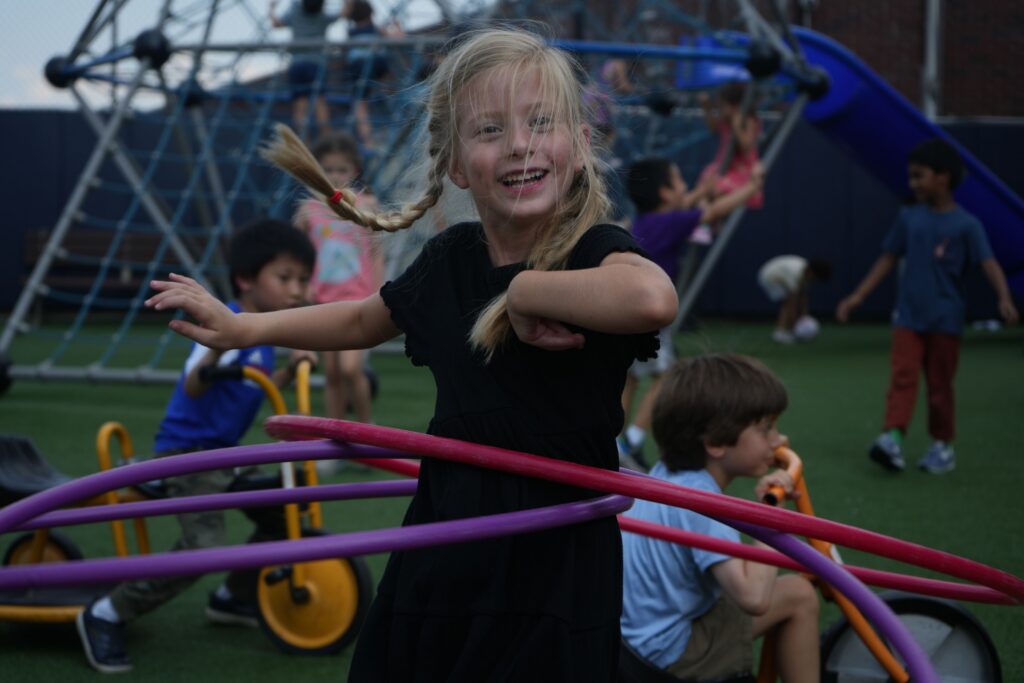
If you’re a busy NYC parent or school leader weighing summer plans, you might be asking: Is a sports summer camp right for my child? For most families, the answer is yes—especially if you want a safe, growth-focused environment where kids stay active, build skills, make friends, and gain independence. The best summer sports camps in New York City blend athletics with social-emotional learning, arts, and academics to support whole-child development. In short, camp turns the long break into a season of progress and joy.
At a glance, here are the seven key benefits:
- Faster skill development
- Improved fitness and injury awareness
- Social and emotional growth
- Expert coaching and feedback
- Aspiration and recruitment pathways
- Variety and specialization
- Reliable, supervised childcare.
Kids in the Game Summer Sports Camp
Kids in the Game runs NYC, Westchester, and New Jersey day camps designed for holistic growth. Children rotate through monthly sports, swimming, field trips, explore STEAM and arts, and train with experienced coaches who keep sessions upbeat and goal-oriented. Our model centers on confidence, well-being, and joyful participation, so kids feel supported whether they’re trying a new sport or sharpening advanced skills.
What sets us apart:
- Flexible scheduling that fits parent summer realities, with multi-week and extended-day options.
- Transparent safety culture and clear standards. An accredited camp meets established safety and curriculum benchmarks recognized by third-party organizations; we openly share our protocols and staff training so families know what to expect.
- Coach expertise and inclusive programming that reflect New York’s diversity and help every child feel seen and challenged.
Explore our programs and locations: Kids in the Game Summer Camps.
Faster Skill Development Through Focused Training
Camps are engineered for sports skill improvement. Compared with unstructured play, kids receive high-repetition technical drills, small-group stations, and targeted feedback that accelerates athletic development. As one youth training provider notes, combining focused drills with lots of reps and position-specific work helps athletes progress faster than they do in sporadic practices or pickup play (see the benefit framework described by Baxter Sports: https://baxtersports.com/summer-camp-benefits/).
Age- and skill-level groupings ensure each child practices at the right challenge point. That individualized progression—plus consistent daily reps—adds up quickly.
Typical Day at Camp vs. School Practice
| Aspect | Typical Day at Camp | Typical School Practice |
|---|---|---|
| Repetitions per skill | High, concentrated blocks | Moderate, split by admin/logistics |
| Coaching attention | Small groups, frequent corrections | Larger groups, limited 1:1 time |
| Feedback frequency | Continuous, drill-to-drill | Periodic, end-of-drill or scrimmage |
| Peer grouping | By age/skill for faster growth | Mixed levels due to team constraints |
| Cross-training | Built-in agility/strength/vision | Limited by time and space |
| Daily duration | Multi-hour training windows | Shorter after-school sessions |
Improved Physical Fitness and Injury Awareness
Injury-aware conditioning blends warm-ups, strength work, and supervised movement training to boost performance while reducing risk. Many sports camps purposely include strength, conditioning, and movement-preparation sessions that improve athleticism and teach safer training habits—lessons athletes carry into the school year (see the performance approach outlined by Academy Camps: https://academycamps.com/athlete-experience/performance).
Kids learn body awareness, proper landing and cutting mechanics, and age-appropriate strength exercises. These foundations support healthier play, better posture, and a positive relationship with lifelong physical activity.
Social and Emotional Growth in Team Settings
Group drills, team play, and shared goals naturally build friendships, communication, and confidence. Kids practice social-emotional learning—the process of developing self-awareness, empathy, teamwork, and emotional regulation through real-life interactions—in an upbeat, supportive environment. Youth camps consistently report gains in connection and resilience as children collaborate and attempt new roles (see examples from Got Game Sports: https://gotgamecamp.com/summer-camp-for-kids-7-benefits-of-enrolling-your-child-to-got-game-sports/).
Social skills kids build at camp:
- Teamwork and communication
- Leadership and initiative
- Conflict resolution and compromise
- Empathy and inclusion
Expert Coaching and Personalized Feedback
High-quality camps are led by skilled, caring coaches who deliver structured instruction, measurable feedback, and sometimes post-camp reports that guide future training. Performance academies like IMG emphasize coach-led sessions, testing, and analysis to direct ongoing development (see IMG Academy’s approach: https://www.imgacademy.com/sport-camps/performance-camp).
Lower instructor-to-camper ratios also increase individualized attention and safety. Personalized athletic feedback—clear, written or verbal notes on strengths, growth areas, and next steps—helps kids (and parents) understand exactly how to improve.
Variety and Specialization in Sports Activities
Camps offer activity variety for kids who like to explore and sports specialization for those who want to go deeper. From broad multi-sport days to single-sport intensives and niche tracks (e.g., cheer, sports broadcasting, climbing), families can match experiences to each child’s personality and aims. See examples of summer camp program types curated by KidsOutAndAbout: https://houston.kidsoutandabout.com/content/sports-summer-camps-houston.
Common program types:
- Multi-sport exploration
- Single-sport performance weeks
- Specialty fusions (arts + athletics, cheer, dance)
- Leadership-in-training tracks for older campers
Routine, Supervised Childcare for Busy Families
For working families, day and residential programs provide structure, vetted staff, and consistent adult supervision that support child development and peace of mind. Coach-to-camper ratio—the number of staff supervising a group—directly affects attention, safety, and the ability to individualize activities. Local guides emphasize practical details like schedules, safety checks, and staff qualifications when choosing a camp (see this regional camp overview: https://www.jcsportshouston.com/post/7-best-kids-camps-this-summer-your-2026-guide-to-humble-kingwood).
Kids in the Game complements NYC schedules with extended-day options, clear safety policies, and background-checked coaches—helping families balance work and summer enrichment.
Frequently Asked Questions
Does summer sports camp help build independence in children?
Yes. Both day and overnight camps encourage kids to make decisions and manage routines in a supportive group setting, building independence.
How do sports camps boost confidence and resilience?
Camps create safe chances to try new activities and tackle challenges, so kids learn to persevere and bounce back from setbacks.
What social skills do kids gain at sports camps?
Kids practice teamwork, communication, and leadership through group games and roles, building friendships and empathy.
Are summer sports camps better for skill-building than regular practice?
Often, yes. Focused, high-repetition training and expert coaching typically accelerate skill development beyond regular practices alone.
What are the long-term benefits of attending a sports camp?
Children build lifelong habits of physical activity, resilience, and social confidence, with impacts that last well beyond summer.